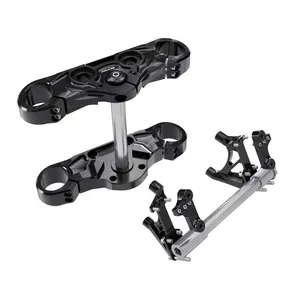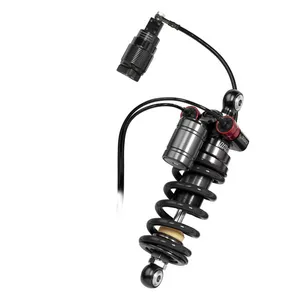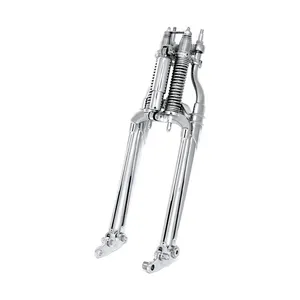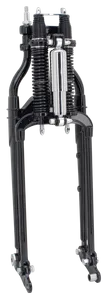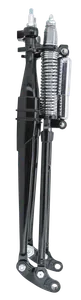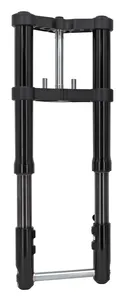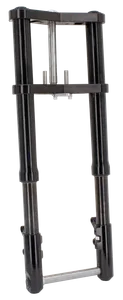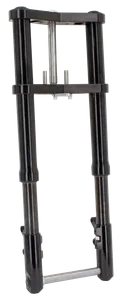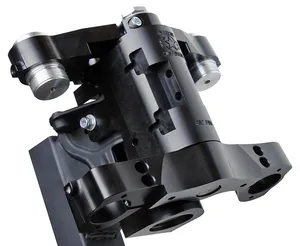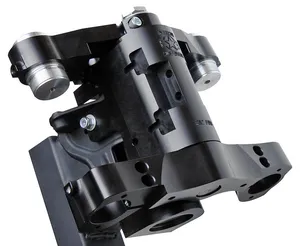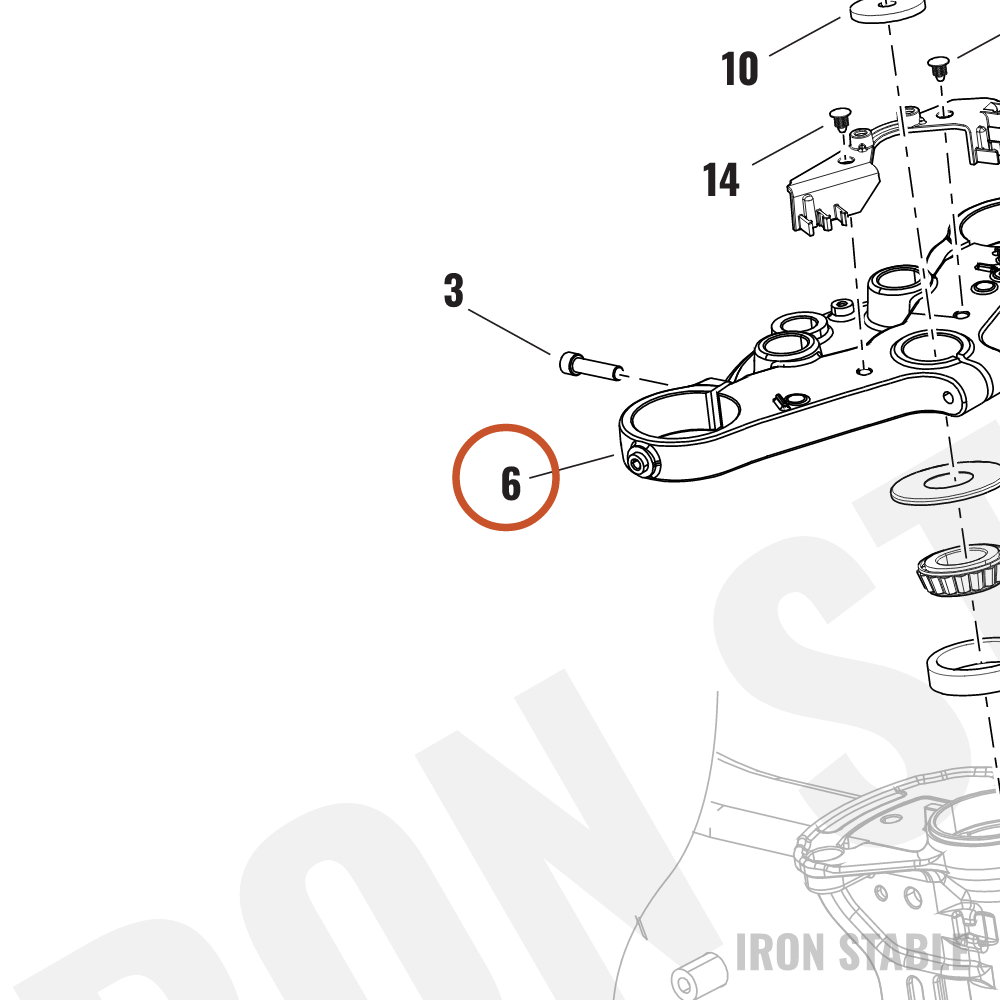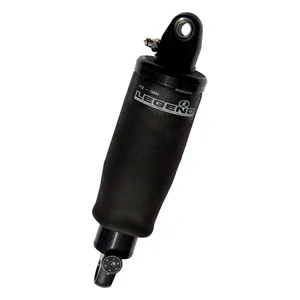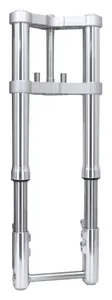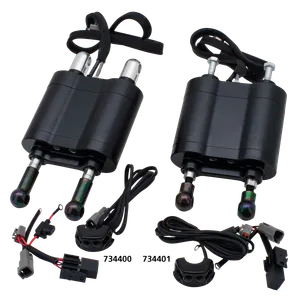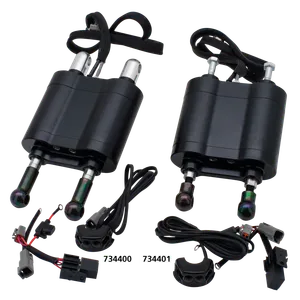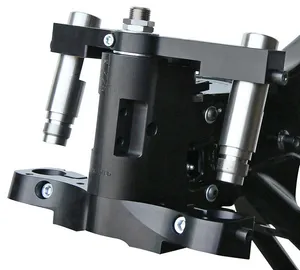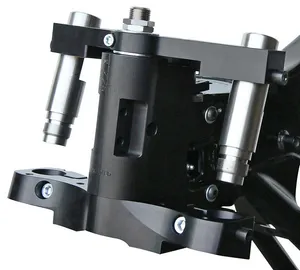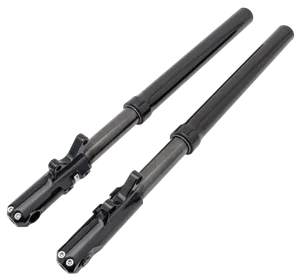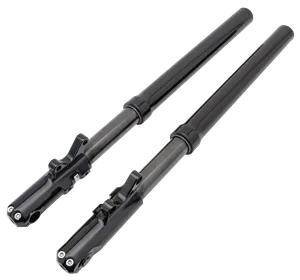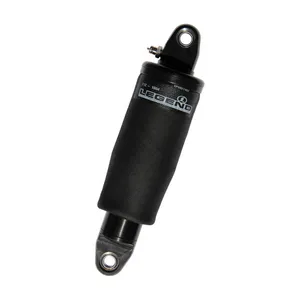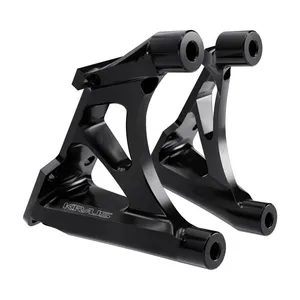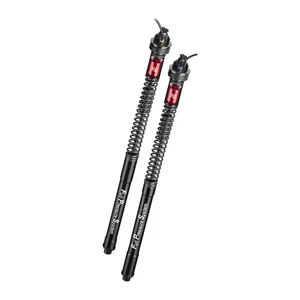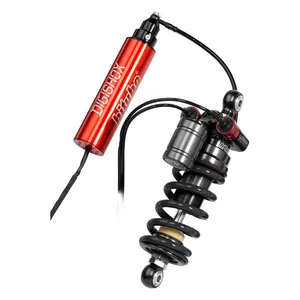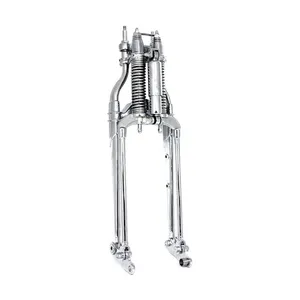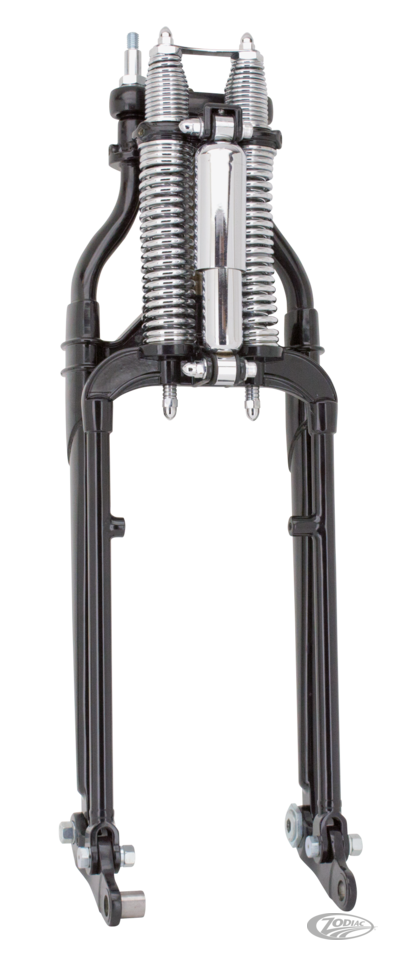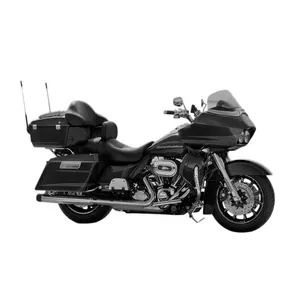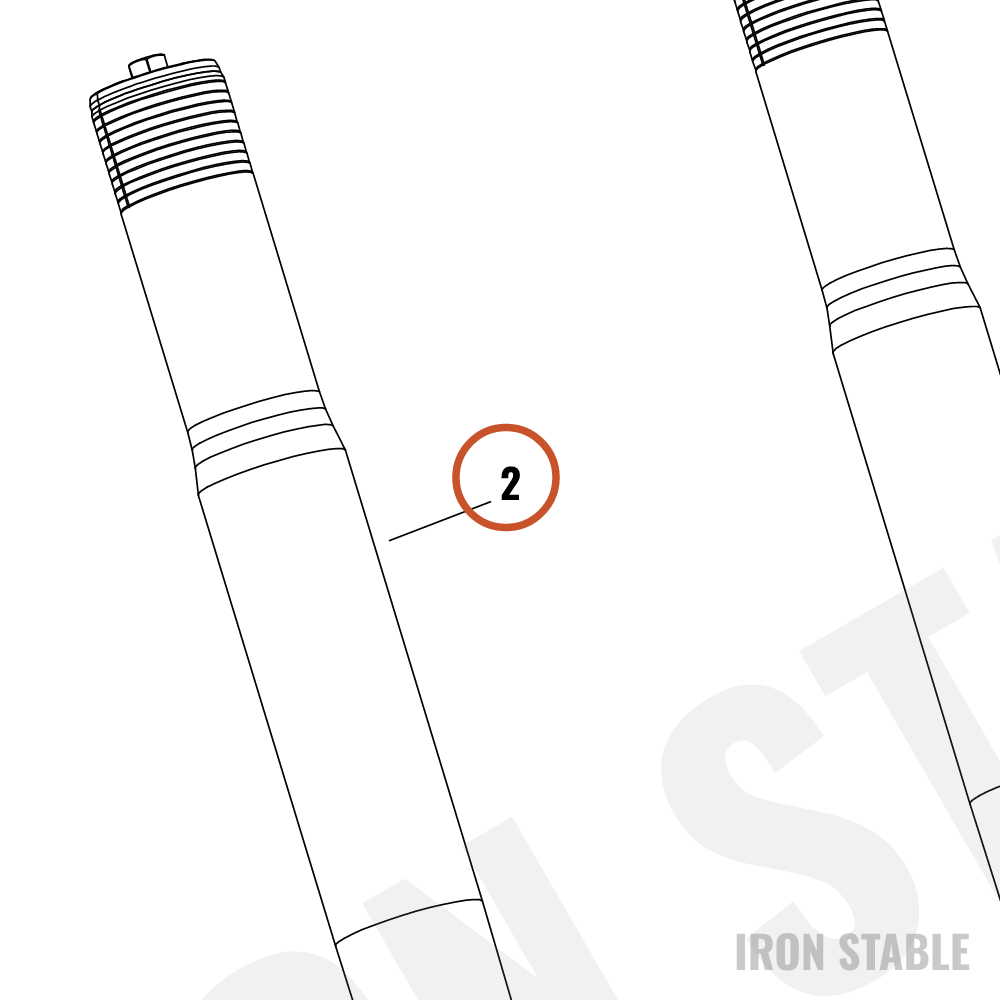
Sub-Assembly, Fork, Rh, 131rr
Harley-Davidson
#45400452
£9389.78£8450.80
Member£7981.31-15%
3,097 products
Rear shocks, fork springs, fork internals, seal kits and lowering components for Sportster, Dyna, Softail and Touring — over 2,600 lines in stock. Suspension is the corner the factory built to a price, which makes it the most transformative money you can spend on a Harley: a Touring rear end that bottoms out two-up is short on travel and damping, and Progressive 412s fix that for a fraction of what Öhlins costs — the Öhlins buy is for riders who will genuinely use the adjustment. Weeping fork legs need nothing more exotic than an All Balls seal kit, and while the forks are apart, springs matched to your weight cost little extra. One honest warning on lowering kits: they trade travel and ground clearance for stance — fine for the boulevard, felt hard on a British B-road.

Or enter a custom range
Showing 1–48 of 3,097 SUSPENSION/FORK
Harley suspension is built to a price, which makes it the most transformative money you can spend on the bike. The catch is that buying it right needs three numbers most listings assume you know: shock length, spring rate, and fork tube diameter.
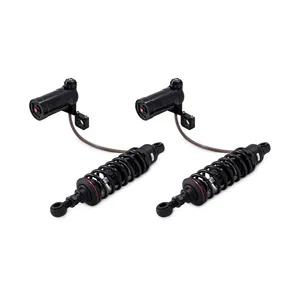
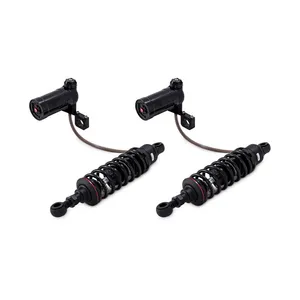
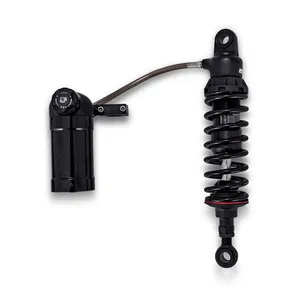
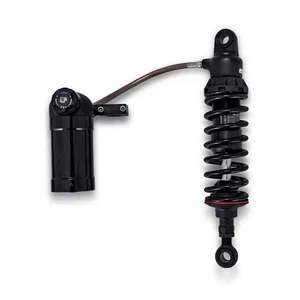
Rear shocks are bought by eye-to-eye length and spring rate, not by model name. Standard Touring runs 13-inch shocks; Street Glide and the low models run 12-inch — less travel, stiffer ride, and the reason a Street Glide "kicks you in the spine" over expansion joints while an Electra Glide floats. Sportsters sit around 11.75 inches stock, shorter again on the factory-lowered Iron and Forty-Eight — the reason a pair of 13-inch Progressive 412s transforms one. More travel is more comfort; there is no cleverer version of that sentence.
Spring rate is the half people skip and then blame the shock. Progressive sells its Touring shocks in multiple rates; a heavy rider on the light spring bottoms out, a light rider on the heavy spring gets jackhammered — the same shock produces opposite complaints. Match the rate to your loaded weight, then set sag (about a third of the travel used with you sat on the bike) before judging anything.
Pre-2018 Softails hide their twin shocks horizontally under the transmission, and a surprising number of owners ride for years believing they are non-adjustable. They adjust — spanner plates on the shock bodies, both sides set equally — and the factory delivers them at the softest setting, so a sagging two-up Heritage often needs adjustment, not parts.
The 2018-on Milwaukee-Eight Softail is a clean break: single monoshock under the seat, nothing interchanges with 2017-and-earlier, and again the factory ships it set for a light solo rider. Wind in preload before concluding it is "too soft"; heavier riders and pillion regulars are the ones who genuinely need the re-spring or a replacement unit.
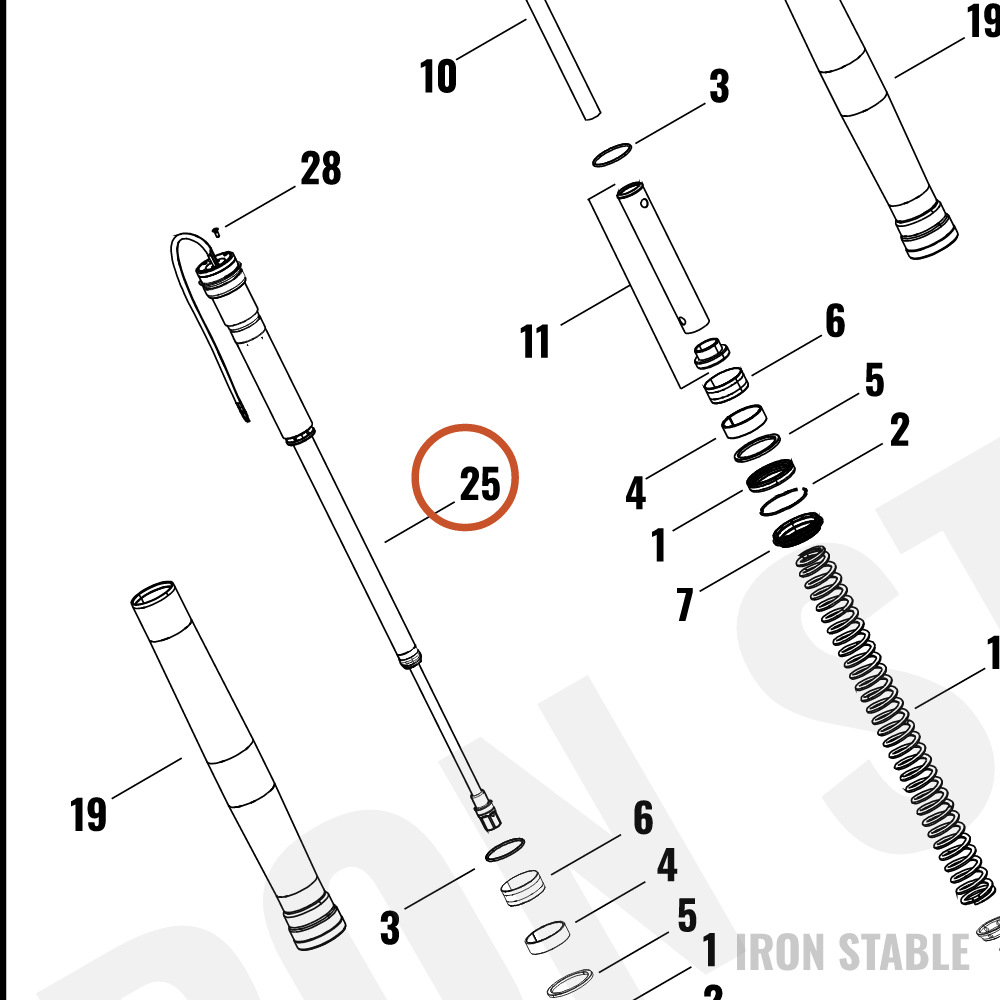
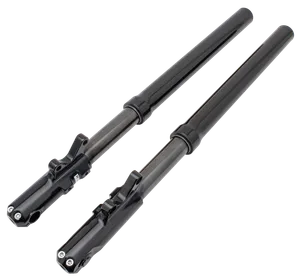
Every fork part on this page — springs, seals, cartridge kits, tubes — is bought by tube diameter, and the map is: Sportster and Dyna narrow glide 39 mm (1987 onwards for Sportster), Dyna 49 mm from 2006, Touring 41 mm through 2013 then 49 mm from 2014. Get the diameter right and most of the catalogue opens up; guess it and everything comes back for exchange.
Every pre-2017 Touring owner knows the complaint: touch the front brake and the forks dive to the stops. The fixes form a ladder — progressive springs and fresh oil first, then a cartridge or monotube kit for the proper transformation. Harley themselves conceded the point by fitting Showa Dual Bending Valve forks across the 2017 Touring line, so 2017-on front ends dive far less and take different internals.
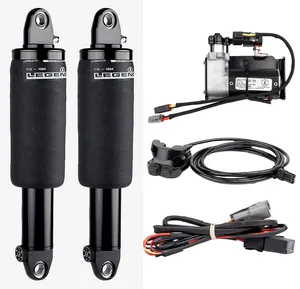
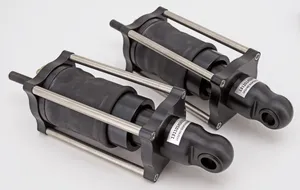
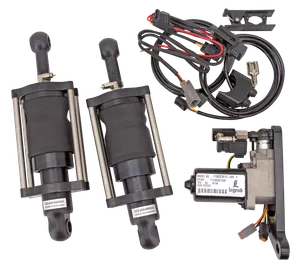
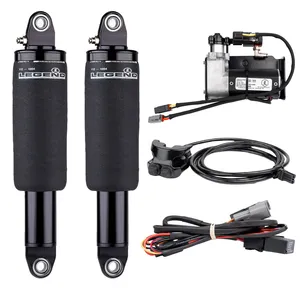
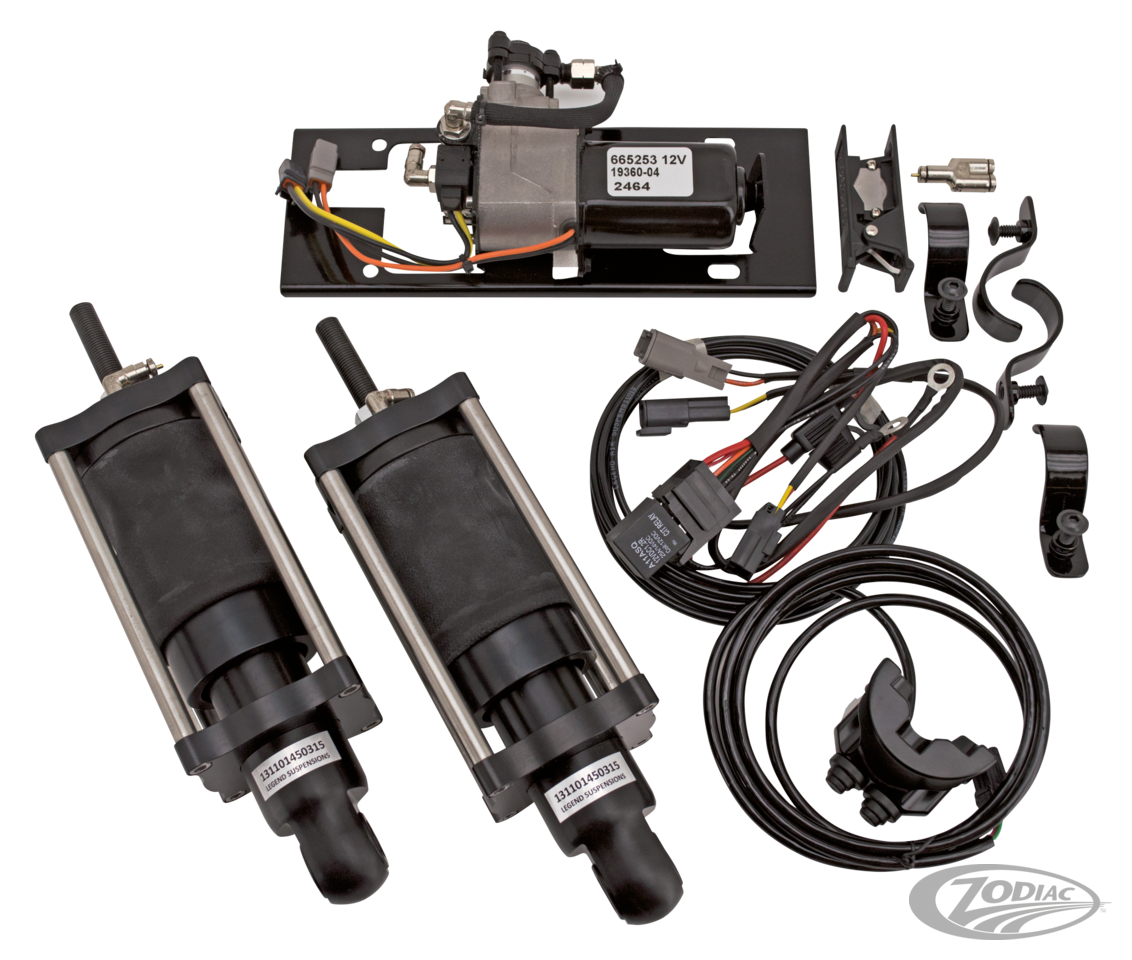
Touring air shocks that will not hold pressure overnight are almost never the shock first — soapy-water-test every fitting and re-cut the air-line ends square before condemning anything. But when the bladder itself has gone, that is the moment most owners convert to conventional aftermarket shocks rather than buy another set of air units; fewer failure points, and spring-rate choice does what the air pressure was pretending to do. If you keep air, use a no-loss pump — a standard gauge dumps the tiny air volume every time you check it.
One warning that applies to everything here: lowering kits trade travel and cornering clearance for stance. On billiard-table tarmac that is a fair trade; on a British B-road you will feel exactly what you gave away.
| The complaint | The usual cause | The fix |
|---|---|---|
| Bottoms out two-up, harsh over bridge joints (Touring) | Short 12" shocks and/or spring rate too light for the load | 13" shocks in the correct spring rate; set sag after fitting |
| Front end slams down under braking (pre-2017 Touring, Dyna) | Basic damper-tube forks — under-sprung and under-damped from new | Progressive springs + fresh oil; cartridge kit for the full cure |
| Sportster rides like a jackhammer | Short stock/lowered shocks with next to no travel | Longer (12.5–13") shocks — the single biggest comfort change on the bike |
| Air shocks flat by the weekend | Leaking push-fittings or air line far more often than the shock | Soap-test fittings, re-cut line ends square; convert to conventional shocks if the bladder is gone |
| Repeat fork seal failures after replacement | Nicked or pitted chrome on the tube cutting each new seal | Polish light marks; anything you can catch a nail on means new tubes |
| "Too stiff" or "too soft" on a nearly-new 2018+ Softail | Monoshock delivered at minimum preload for a light solo rider | Set preload for your weight first — it is night and day before any parts |
For loaded two-up riding the DS 13-inch is a popular step up — it offers a wider preload range and is typically valved firmer on the rebound side, which matters when you're carrying passenger and luggage weight. The Harley Premium Hand-Adjustable is a decent OEM upgrade over the base shock but offers fewer adjustment steps and softer damping for loaded use. Most riders who make the switch don't go back.
The clearest sign is an oily film on the lower fork leg below the seal wiper — not condensation on the outer tube, but a fresh smear that reappears after cleaning. A leaking fork also starts affecting steering feel as the fluid level drops, making one side stiffer than the other. Left alone, the leak eventually reaches the brake disc; get it done before that point.
Harley specifies Type E fork oil (a light hydraulic grade, approximately ISO 11) on most Touring models. Running a heavier grade gives a stiffer, more controlled feel — useful on rough UK roads or when loaded up for a tour. For typical mixed A-road and motorway use, stock spec is a reasonable starting point; most riders who tour heavily eventually go one grade heavier.
Free UK Delivery
On orders over £100
14-Day Returns
Easy & hassle-free
Authorised Dealer
Iron City Motorcycles
Secure Payment
256-bit encryption
You appear to be browsing from the UK.
Same parts, same prices in £, on ironstable.co.uk.
It looks like you're in Europe
Would you like to view prices in €?