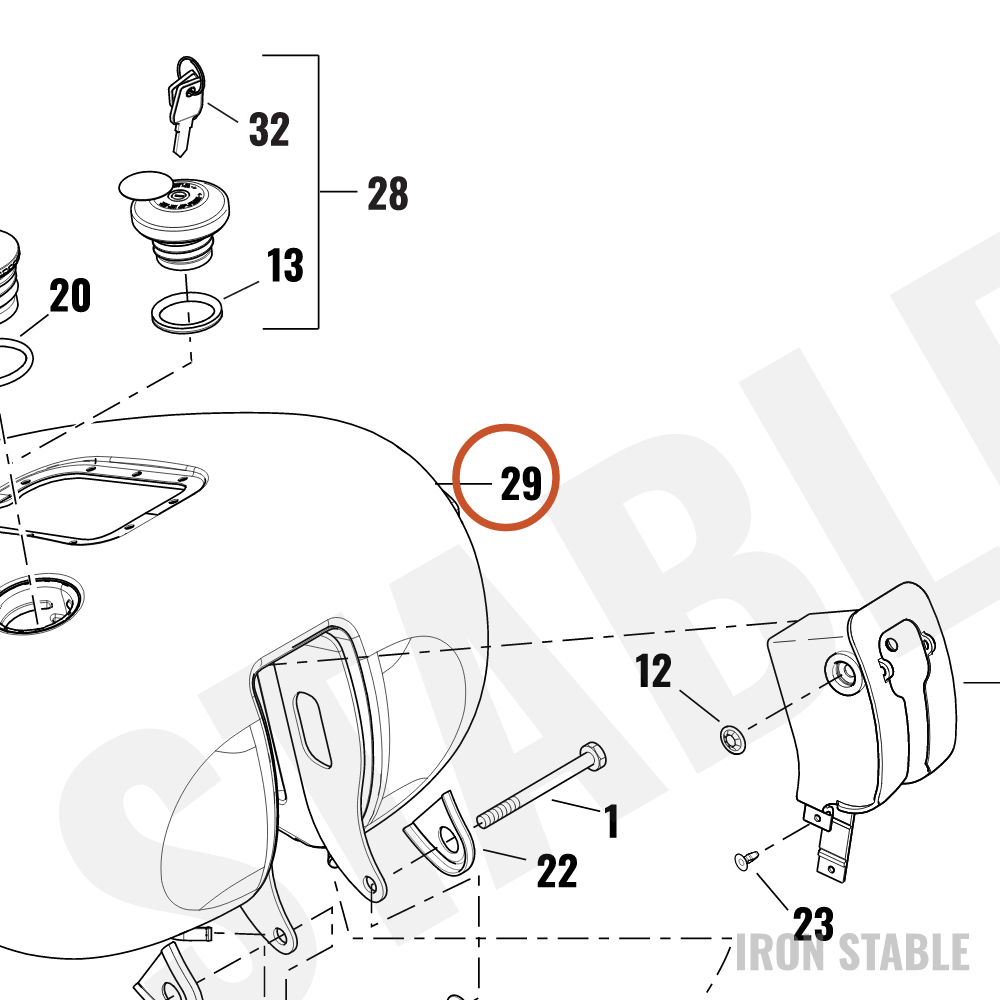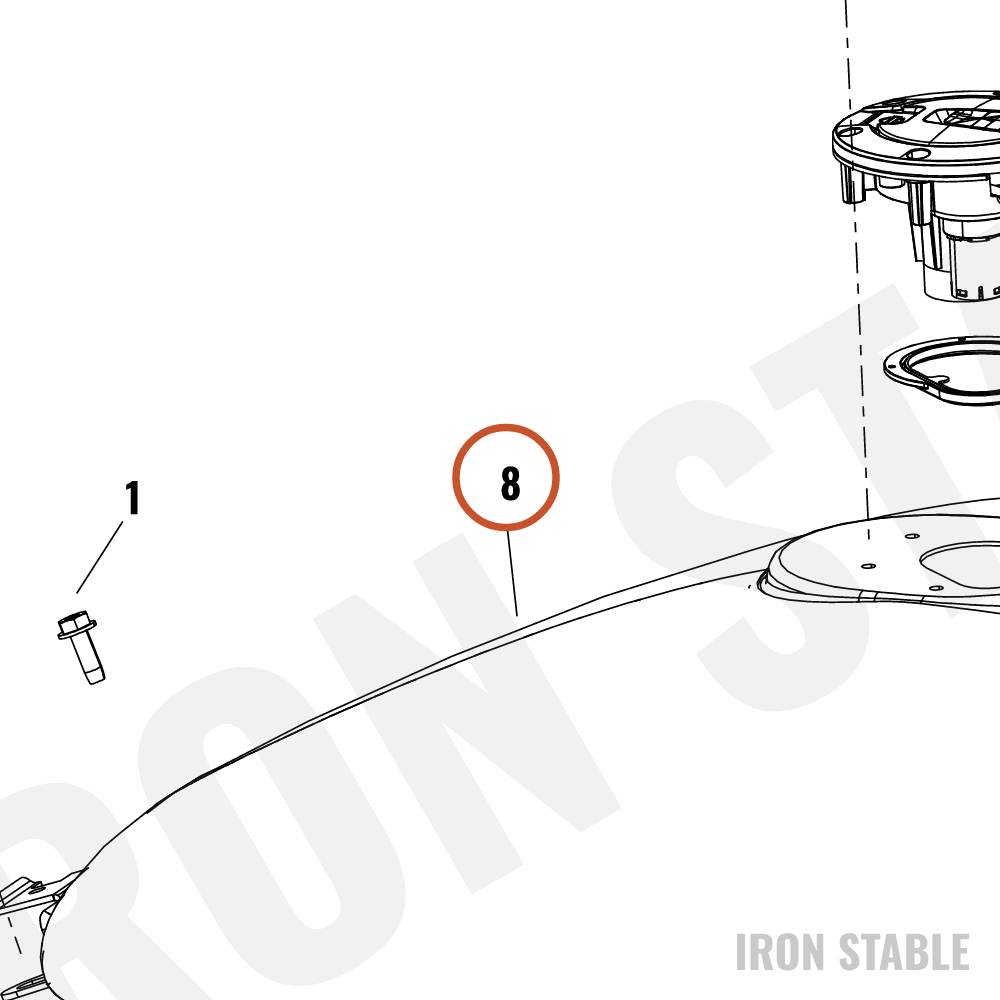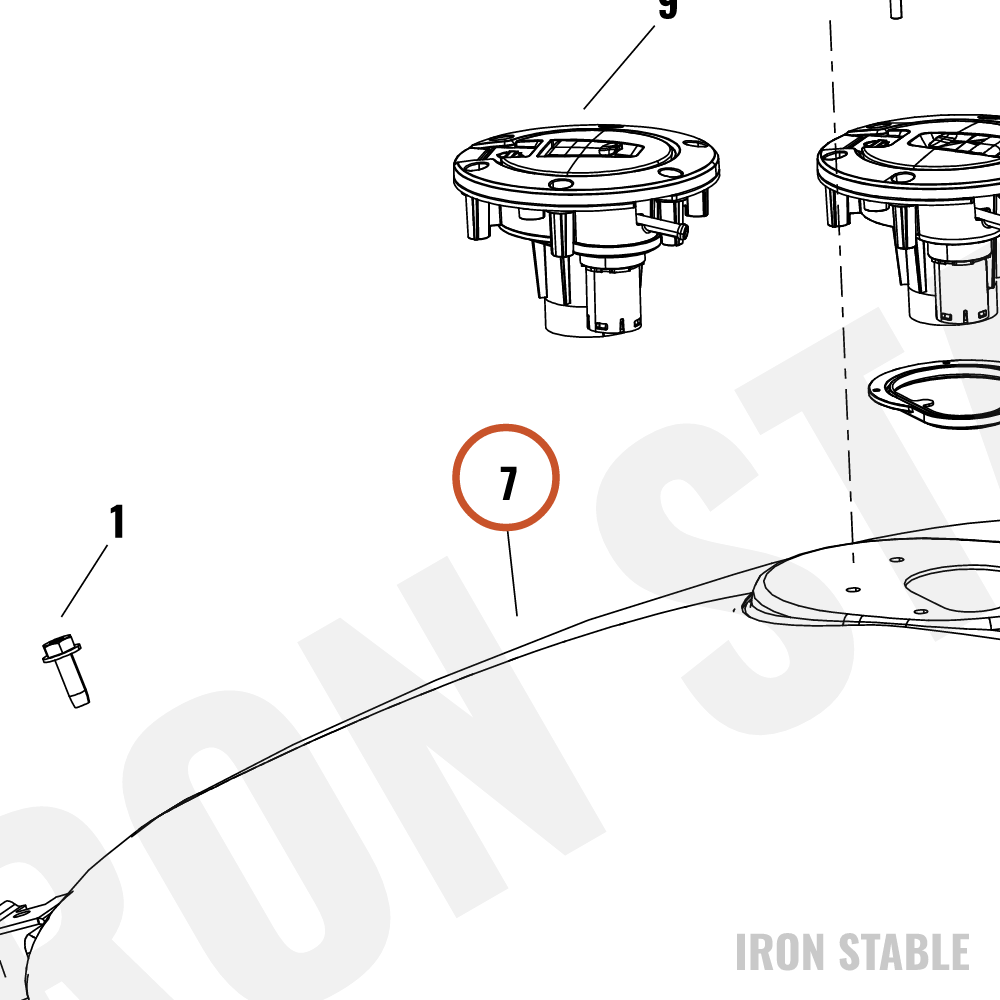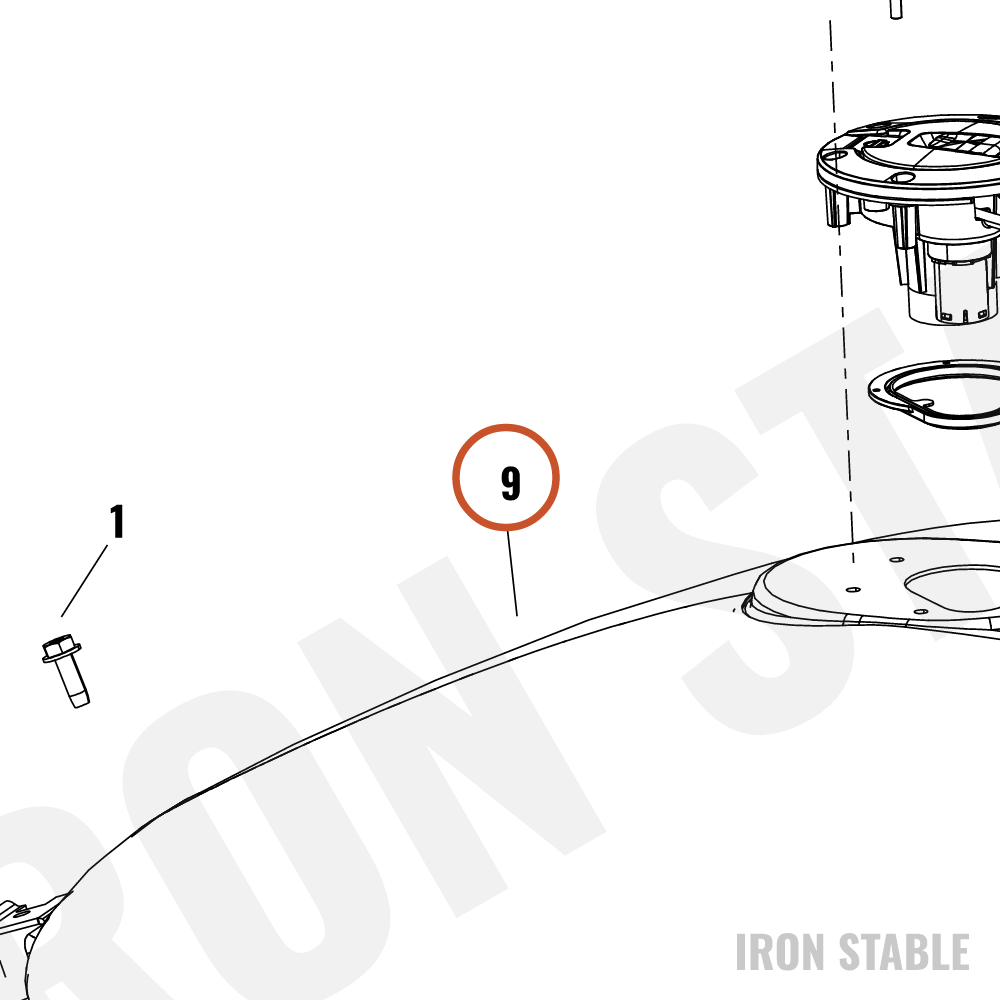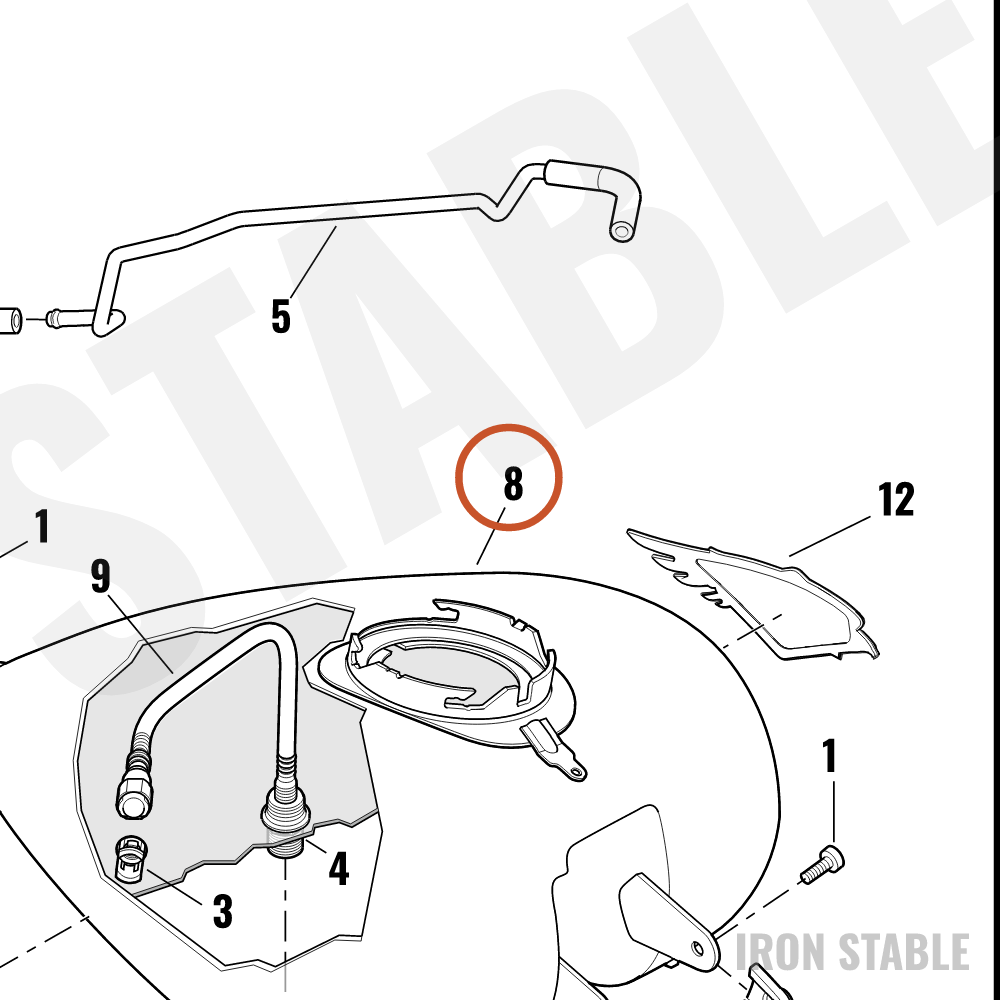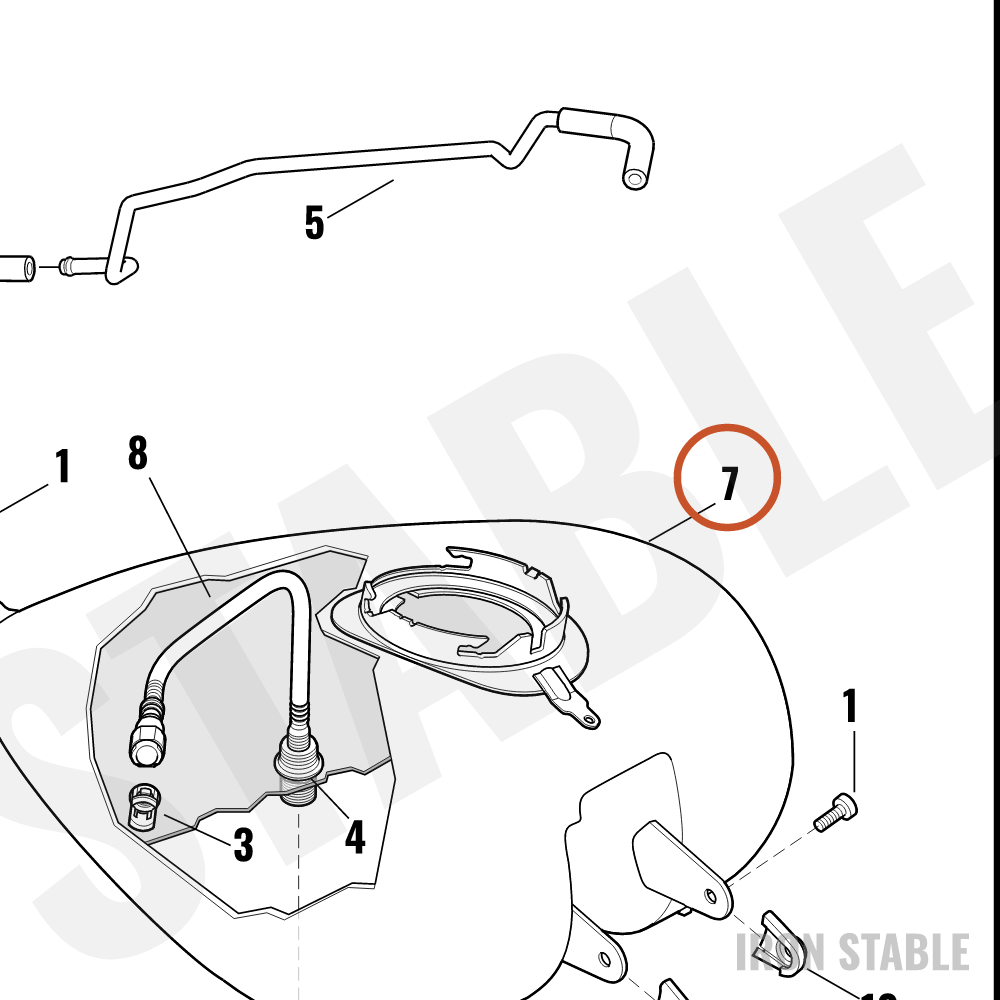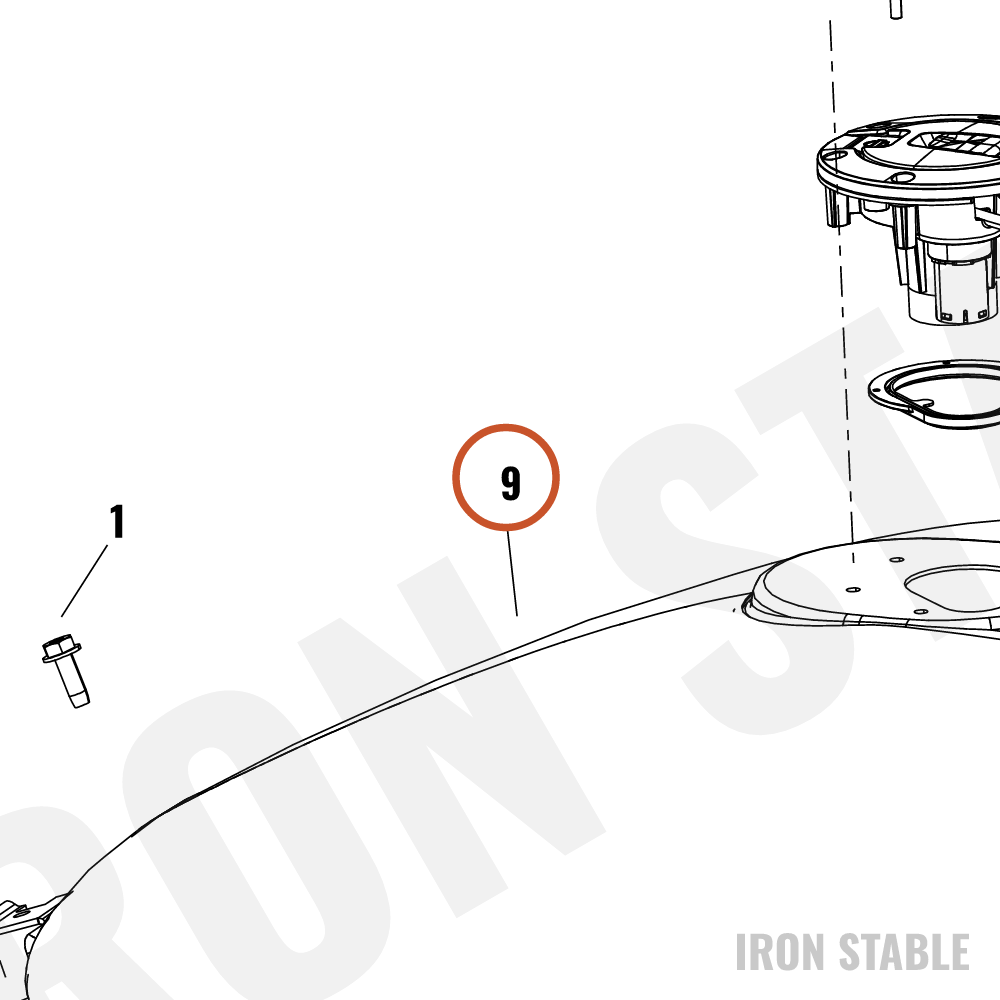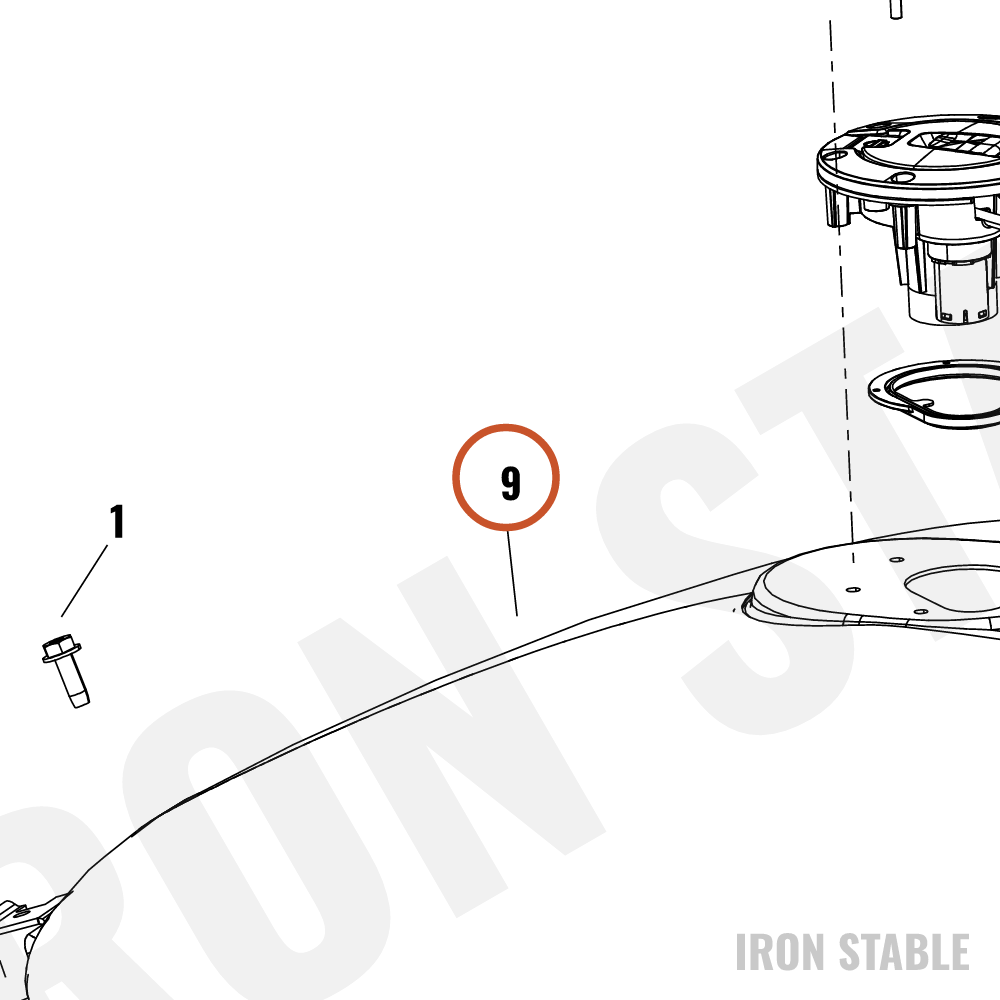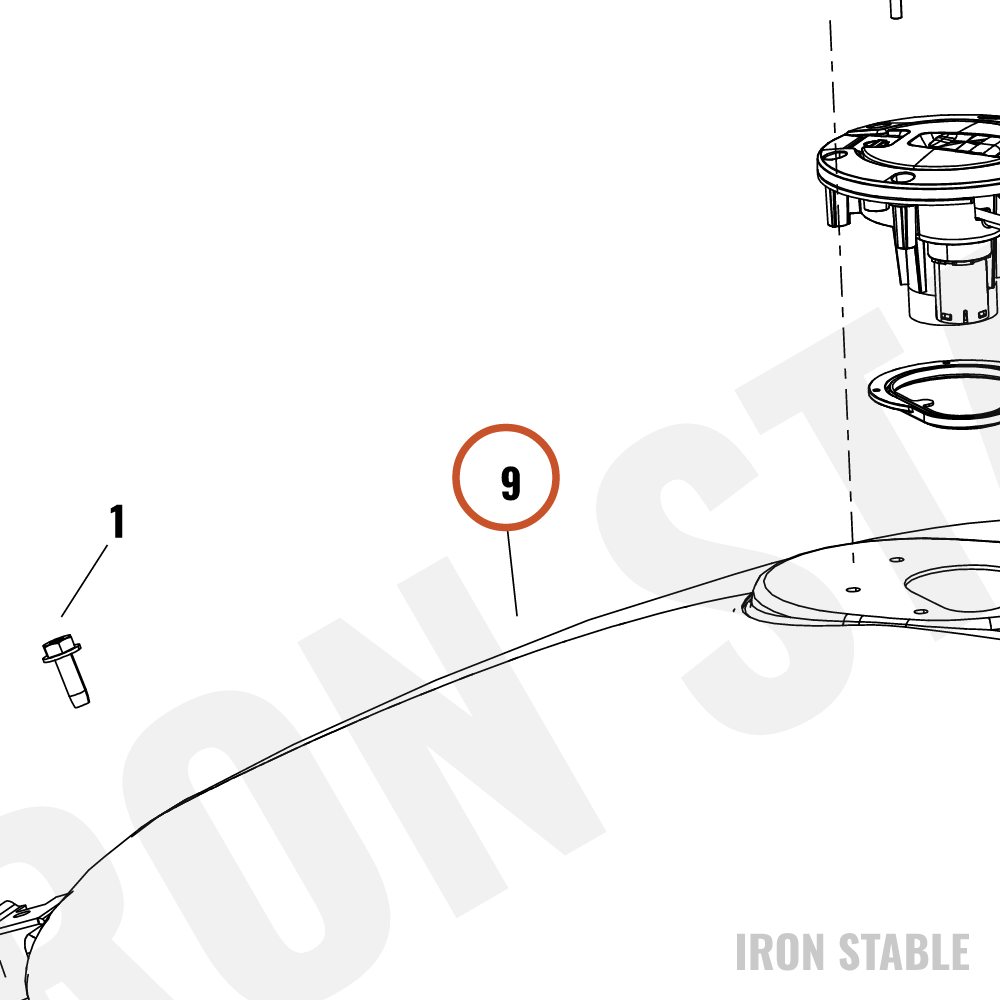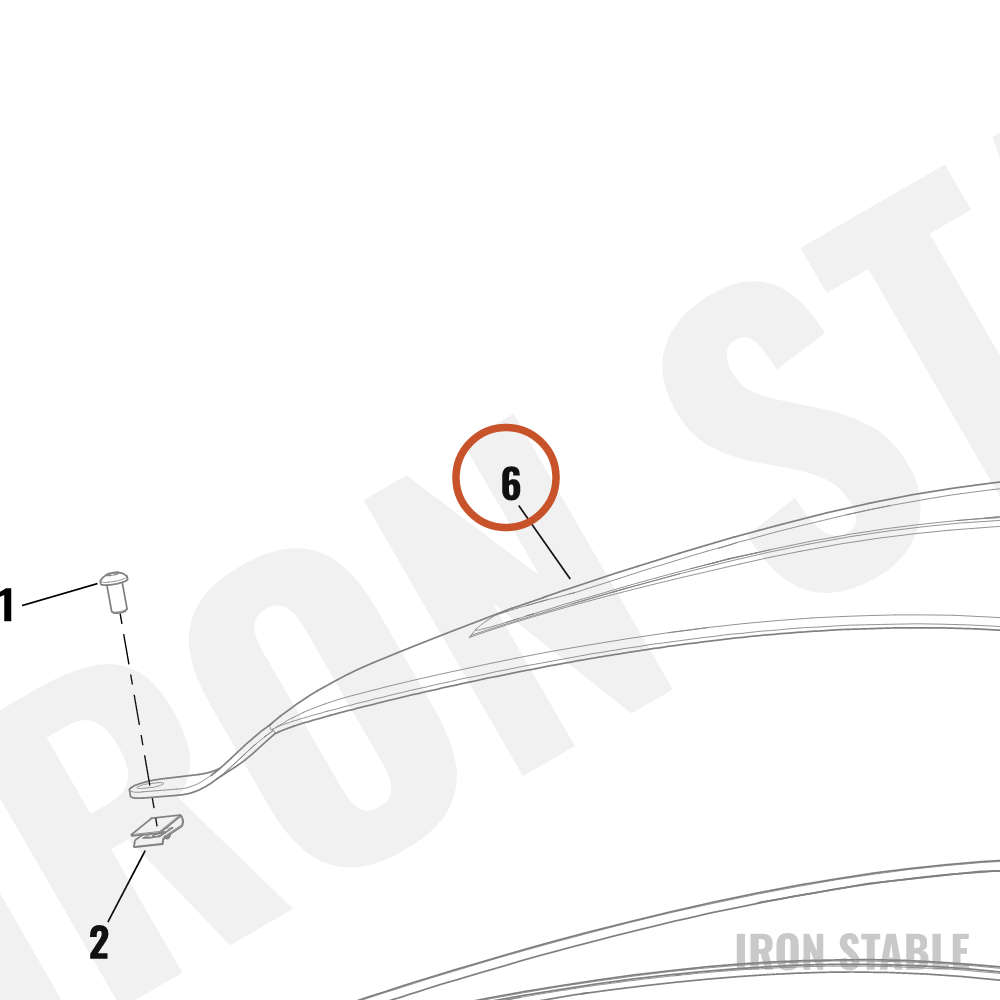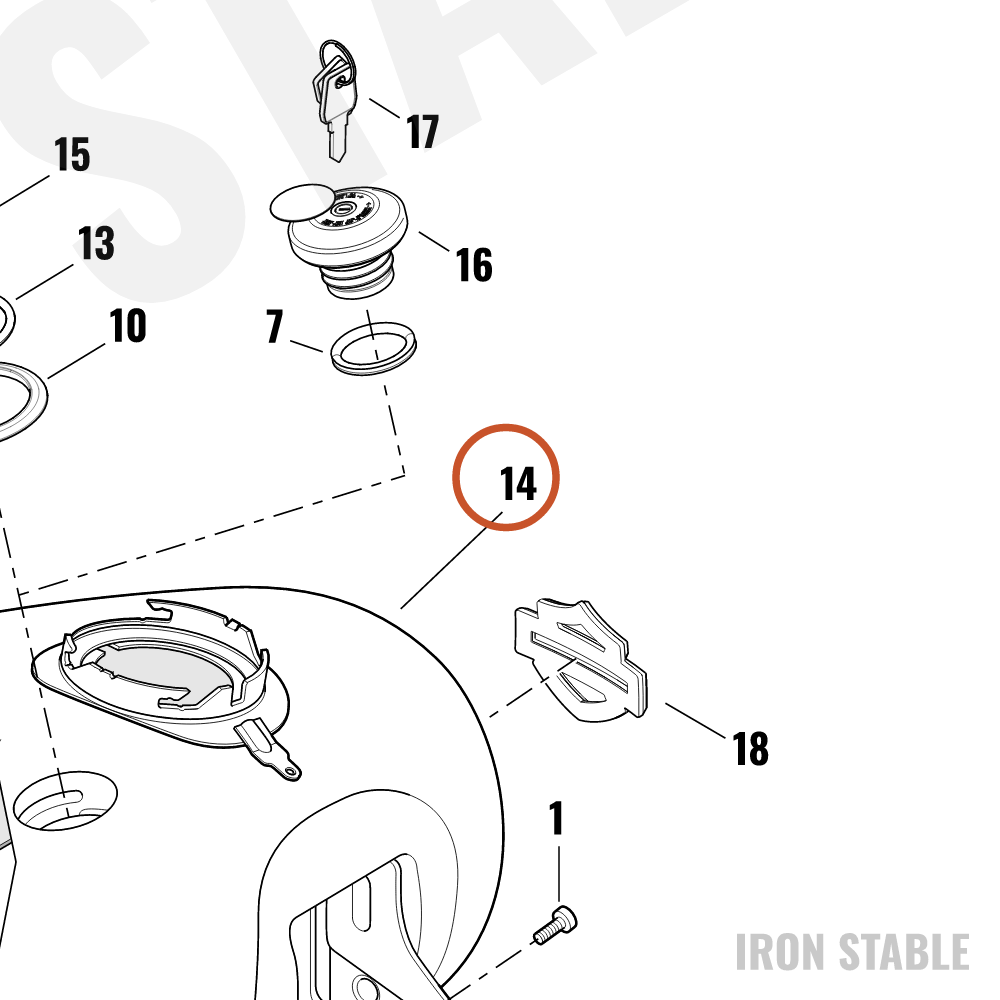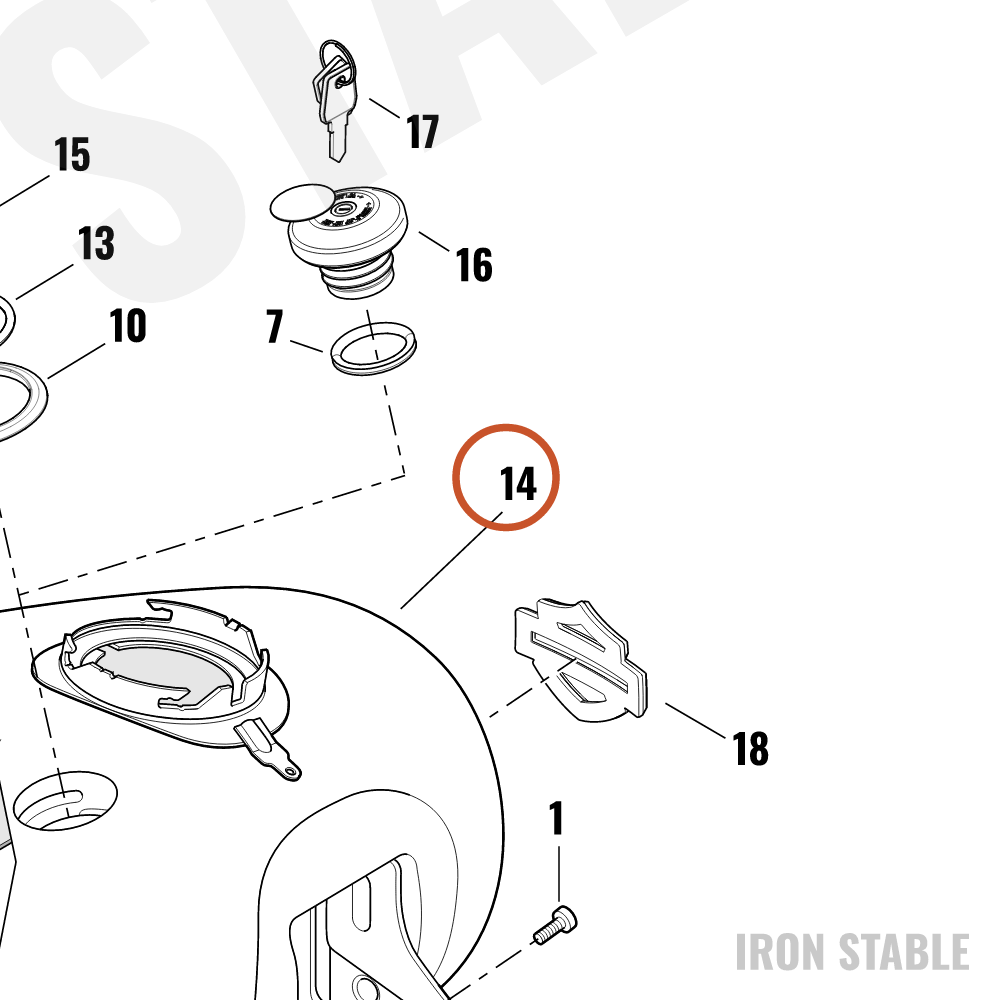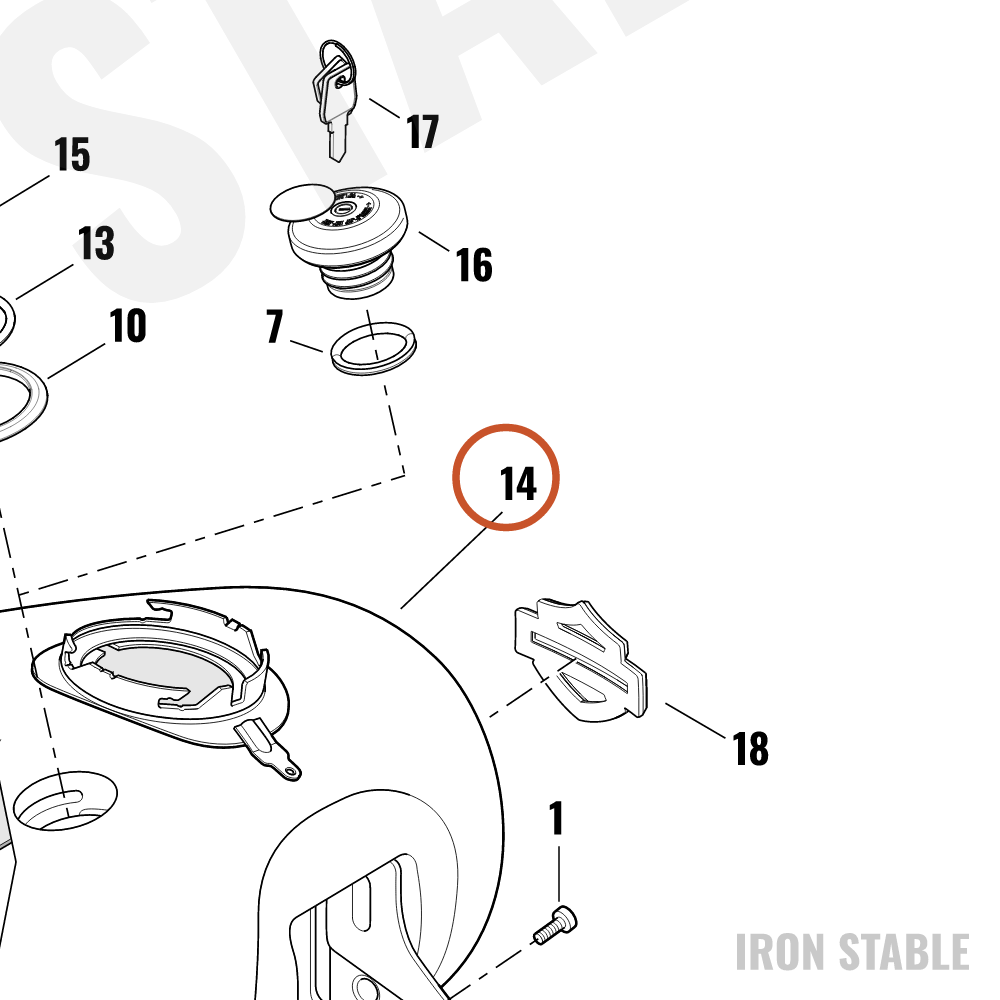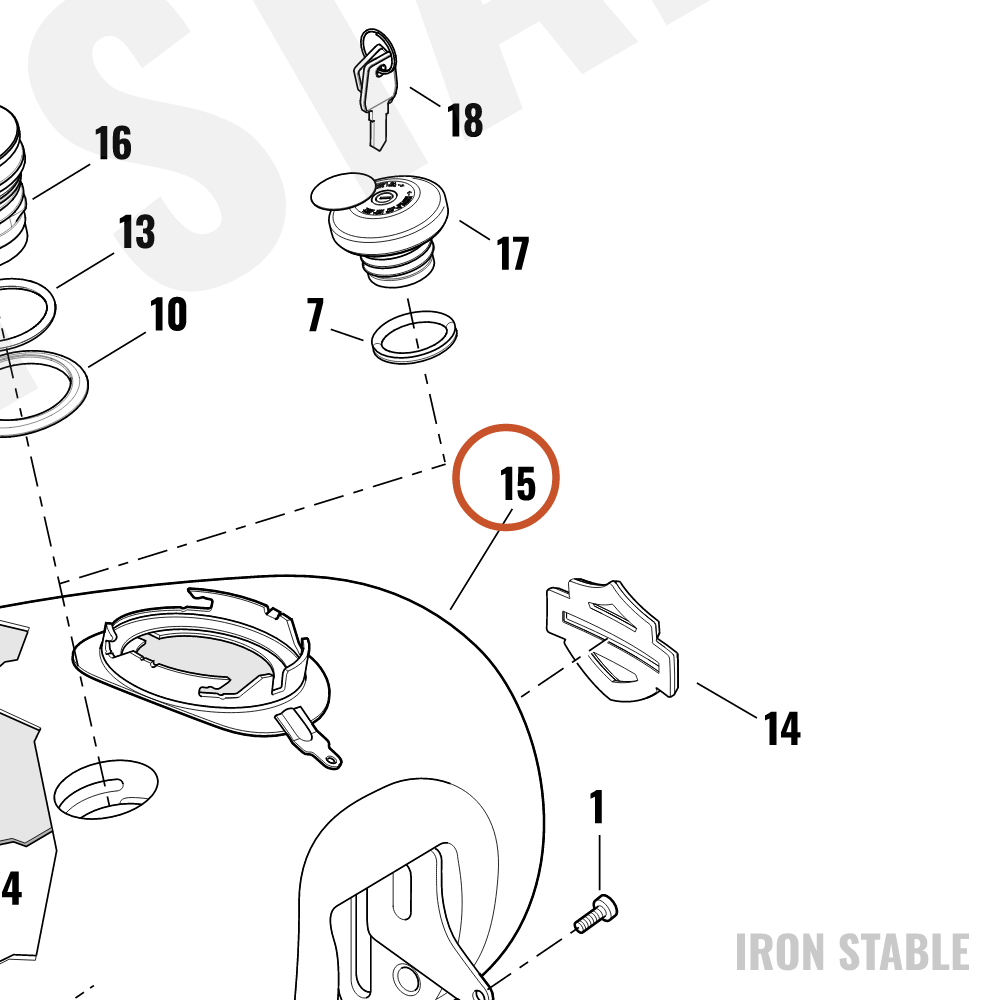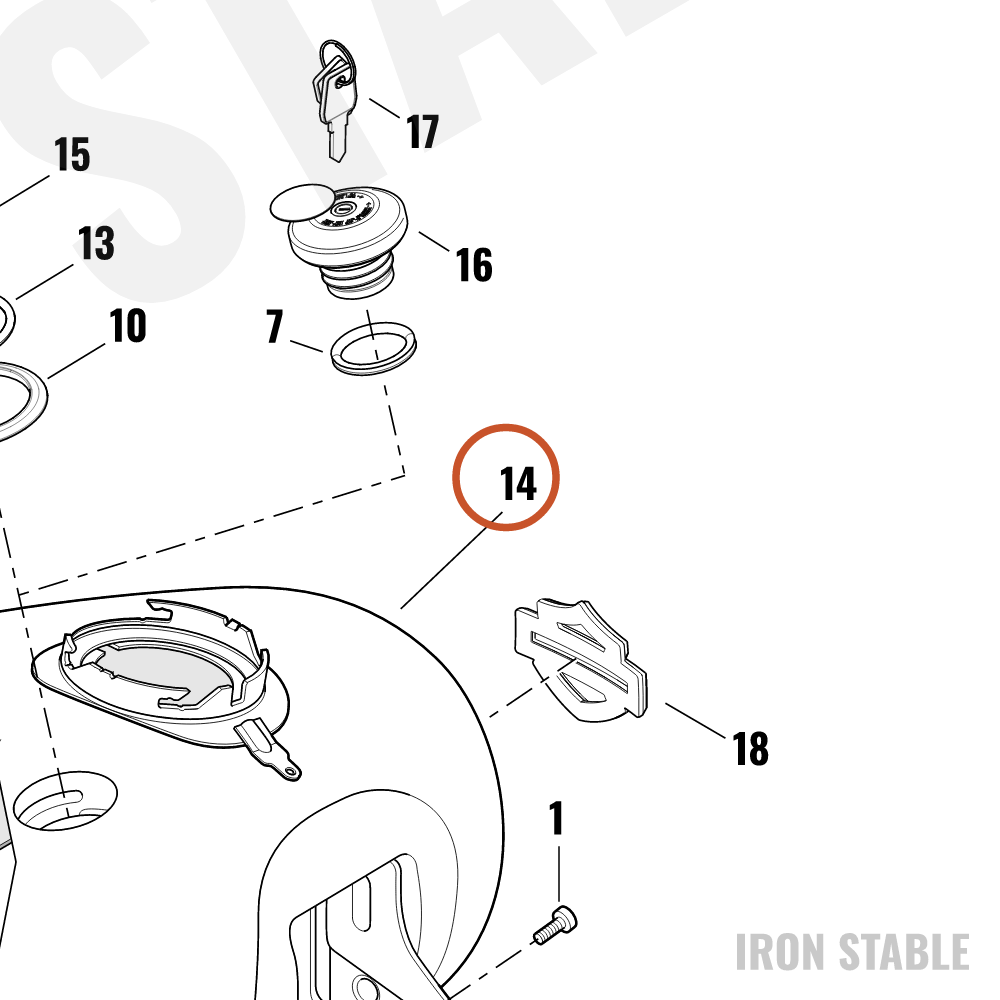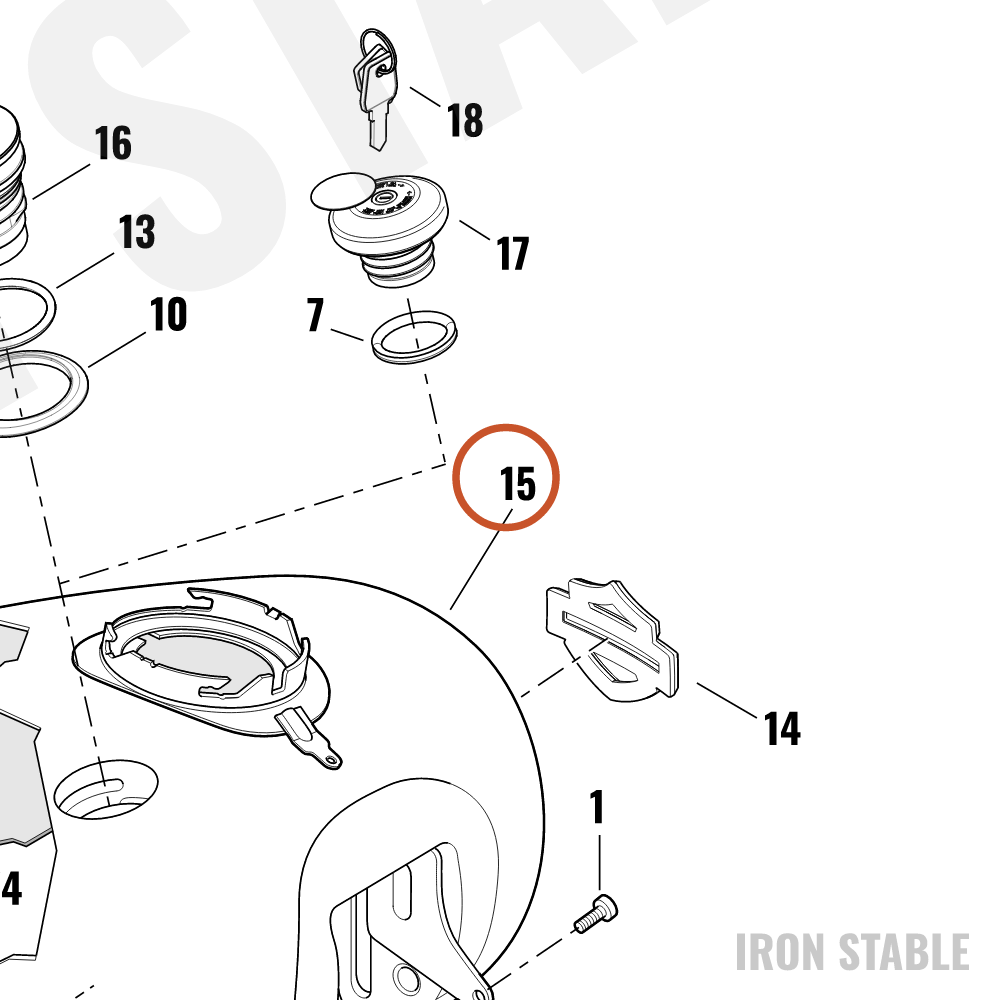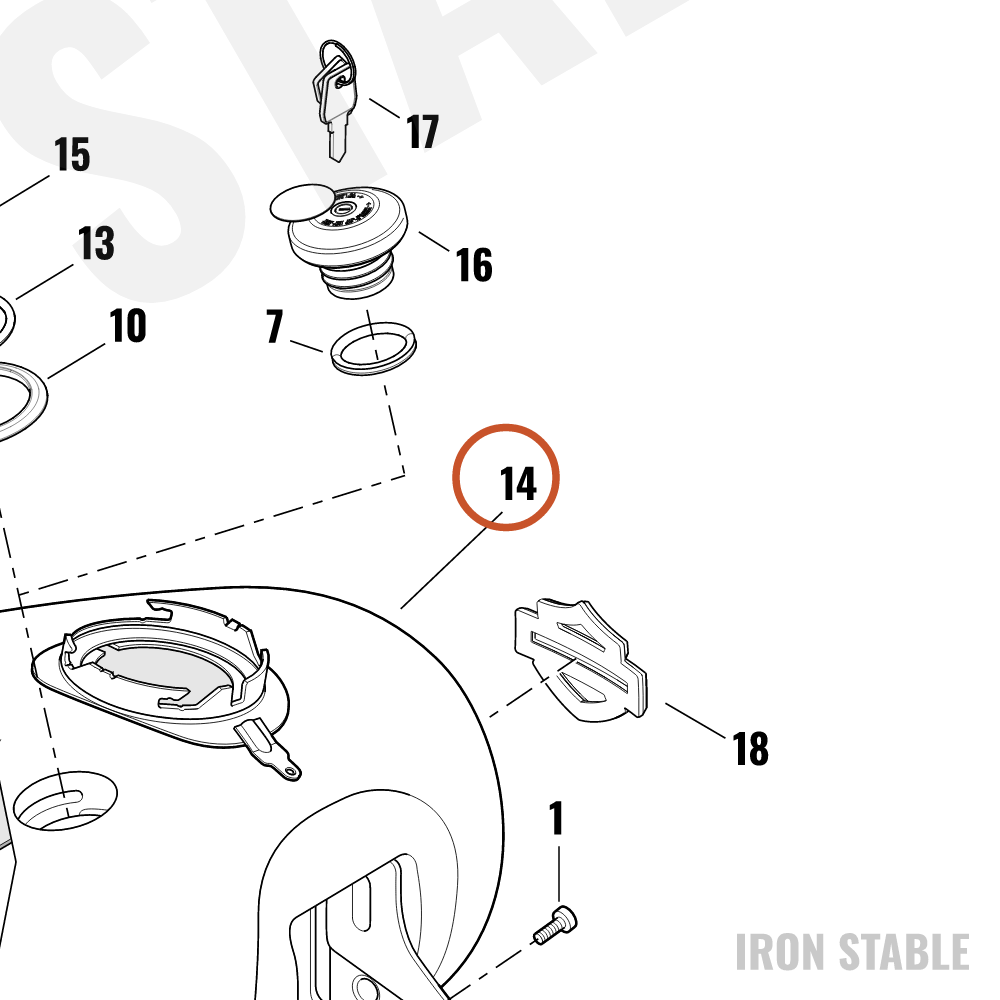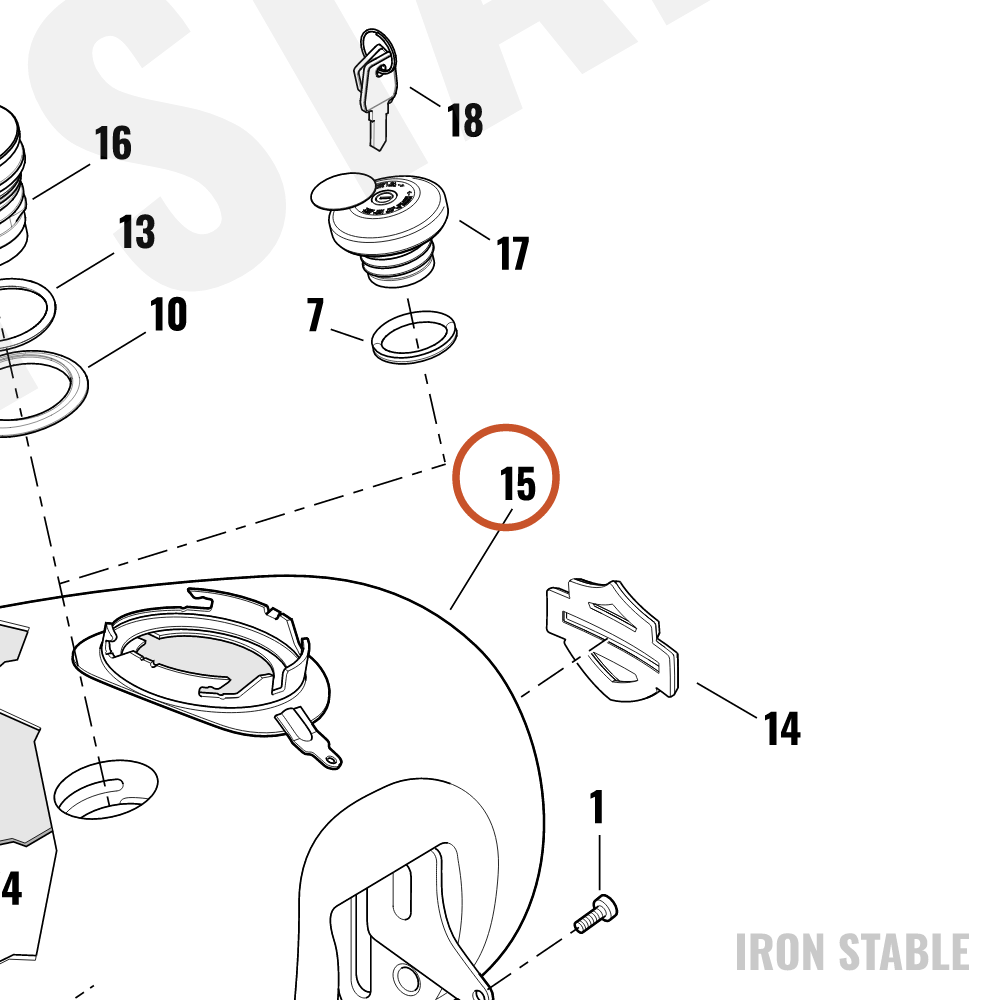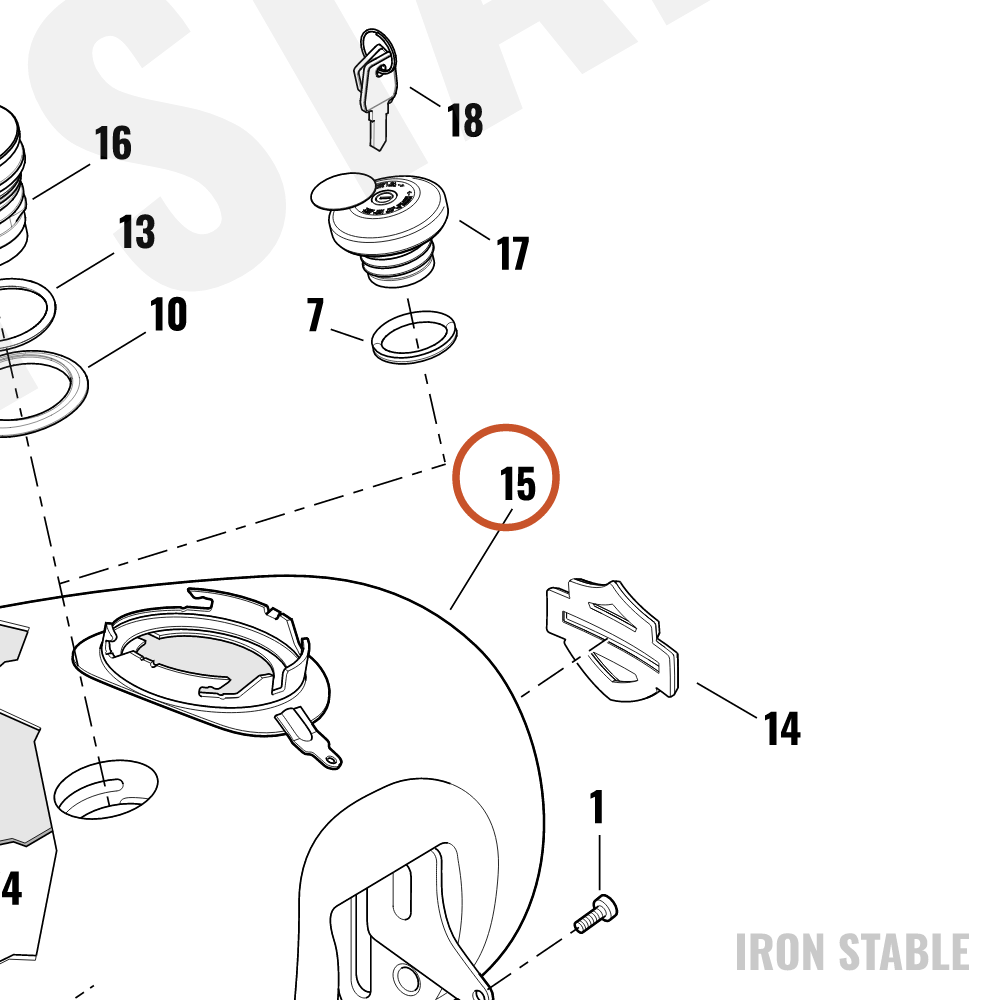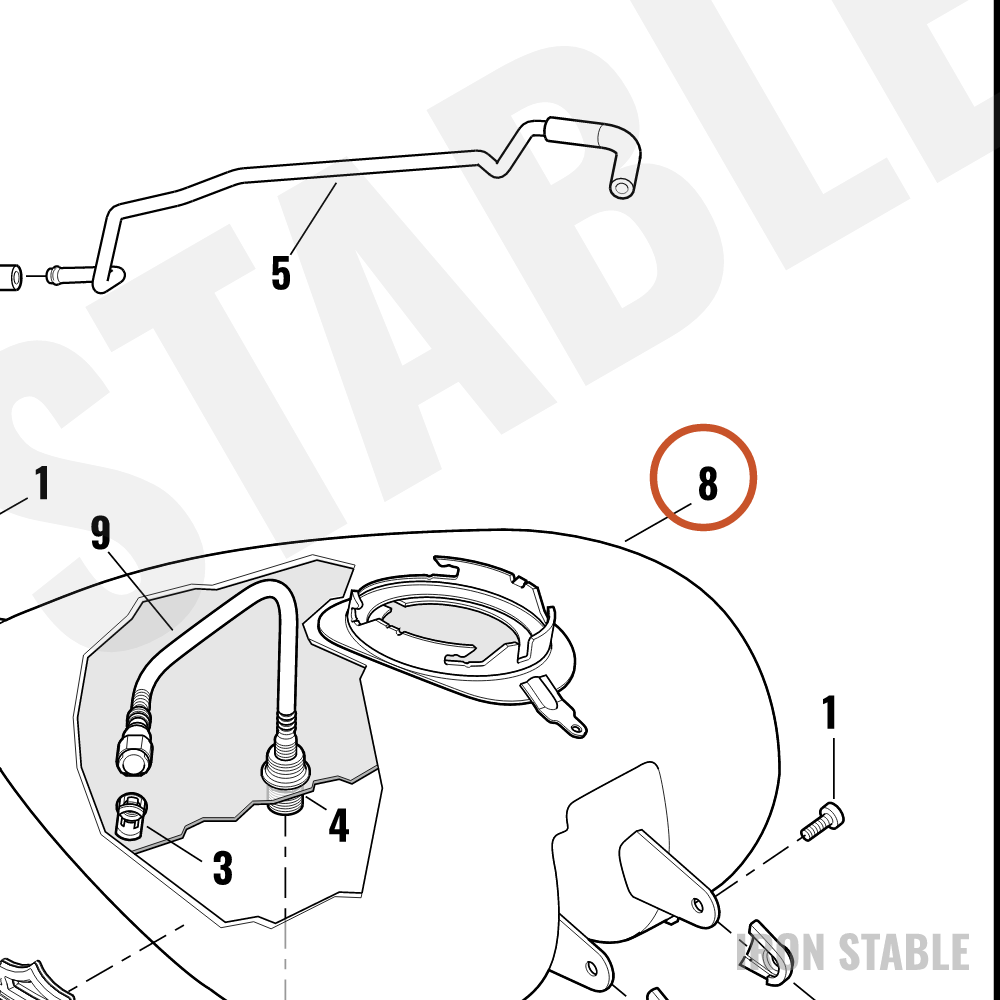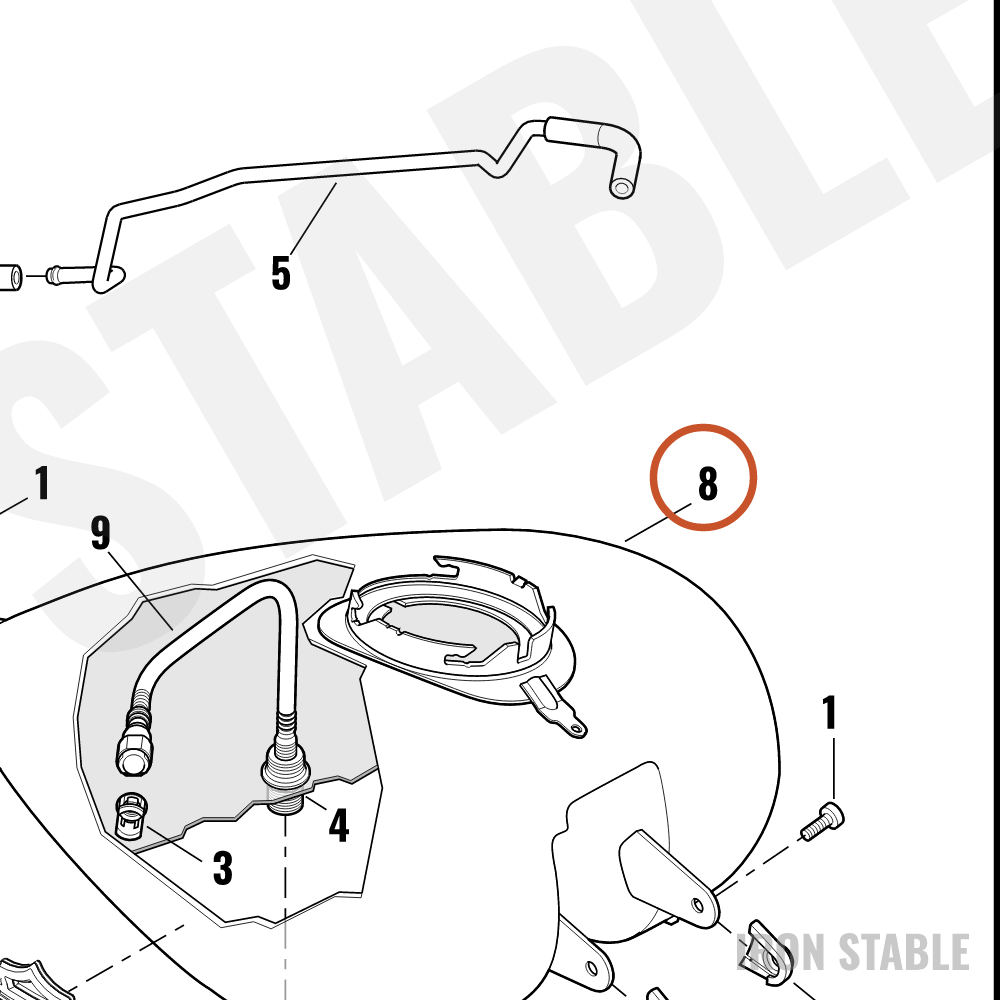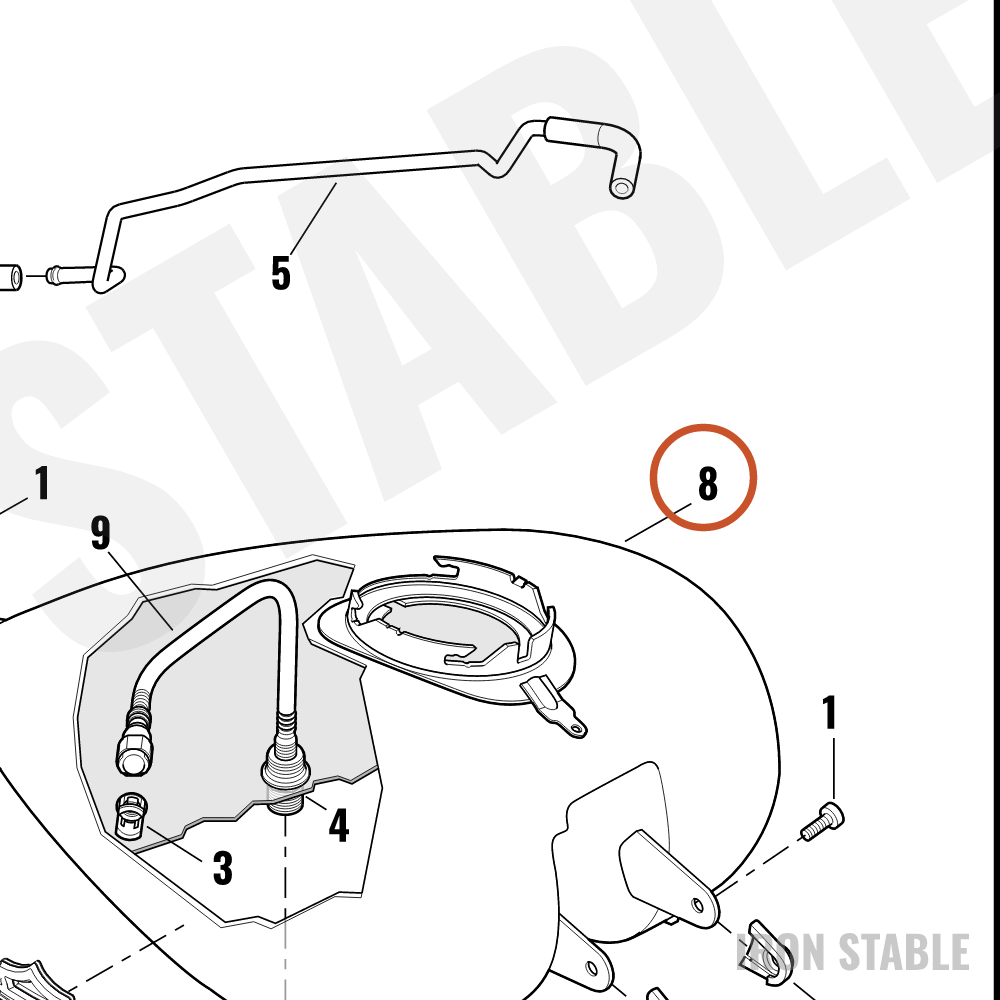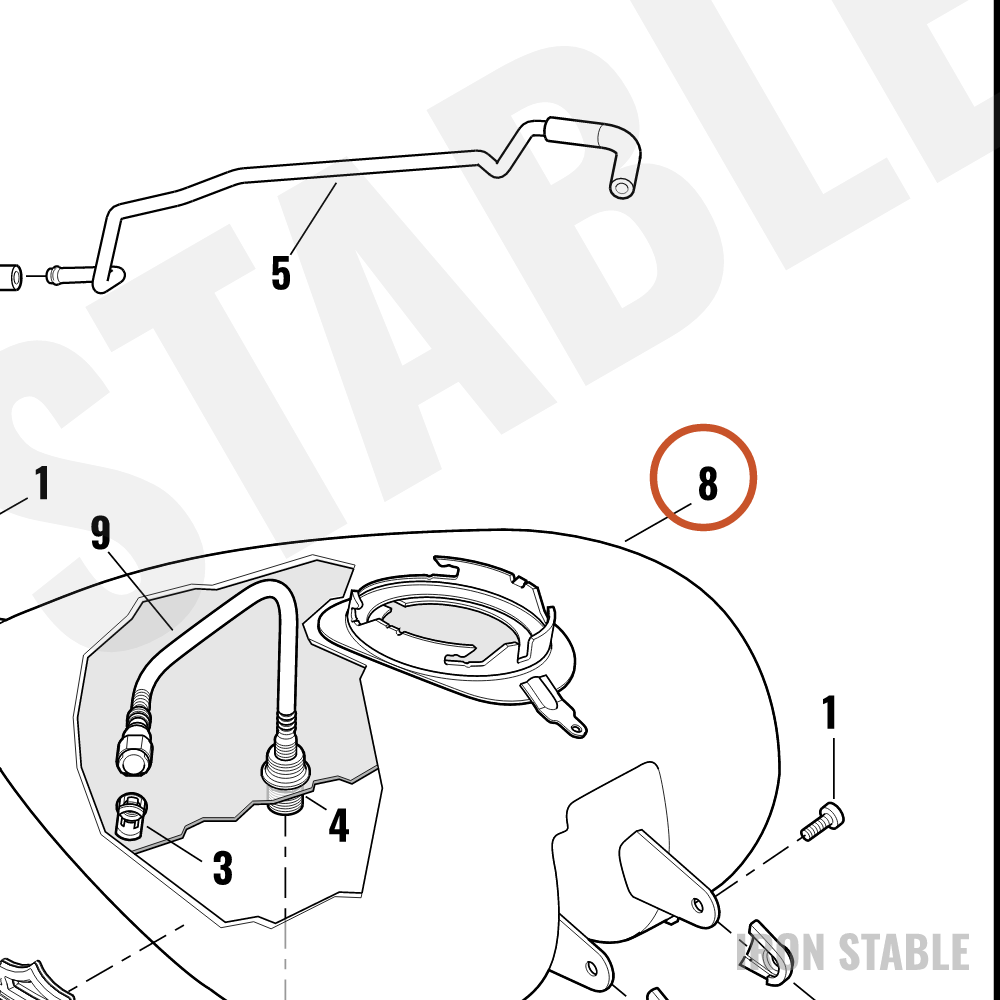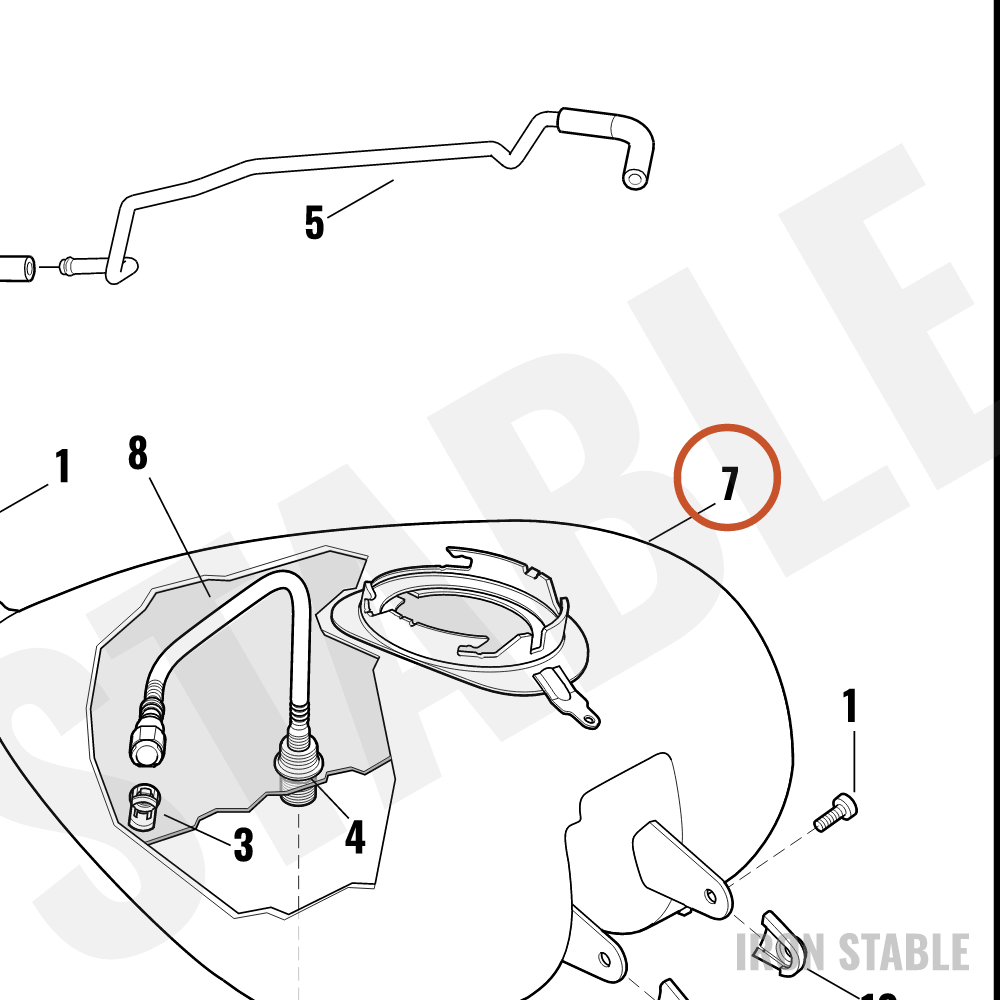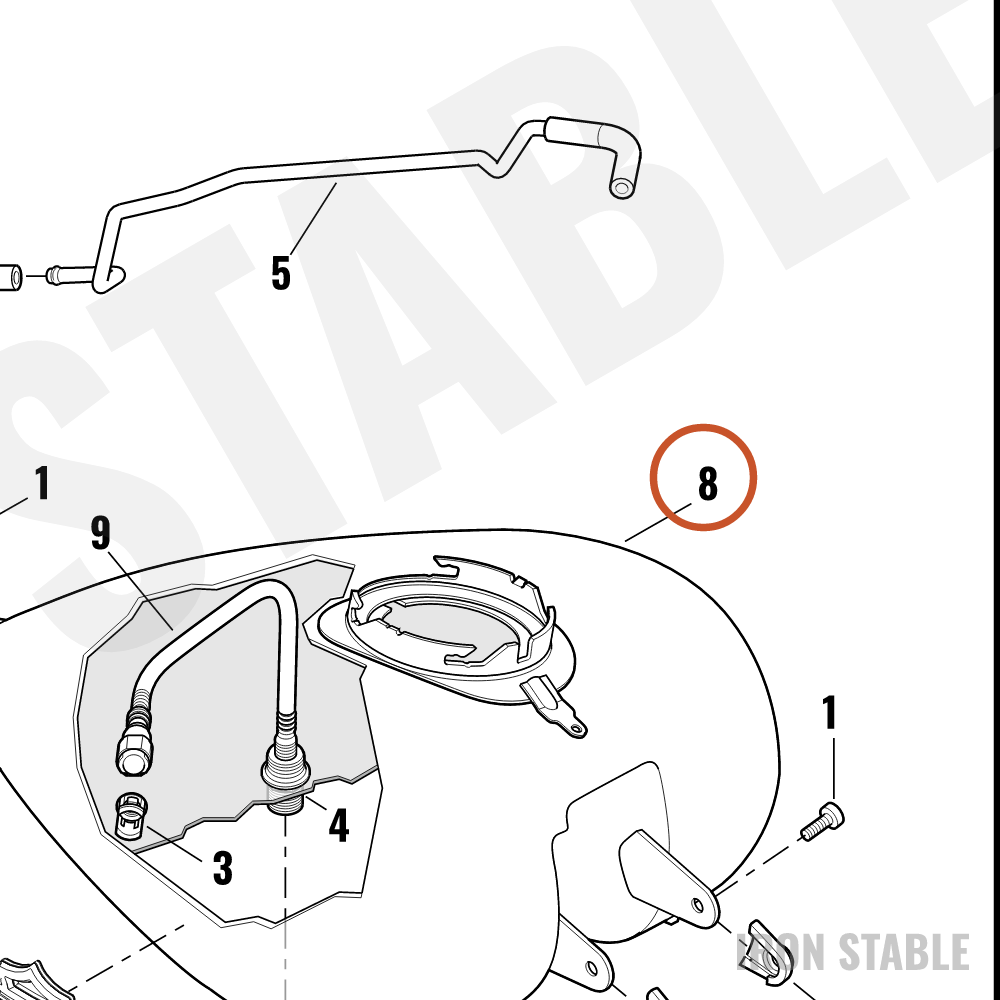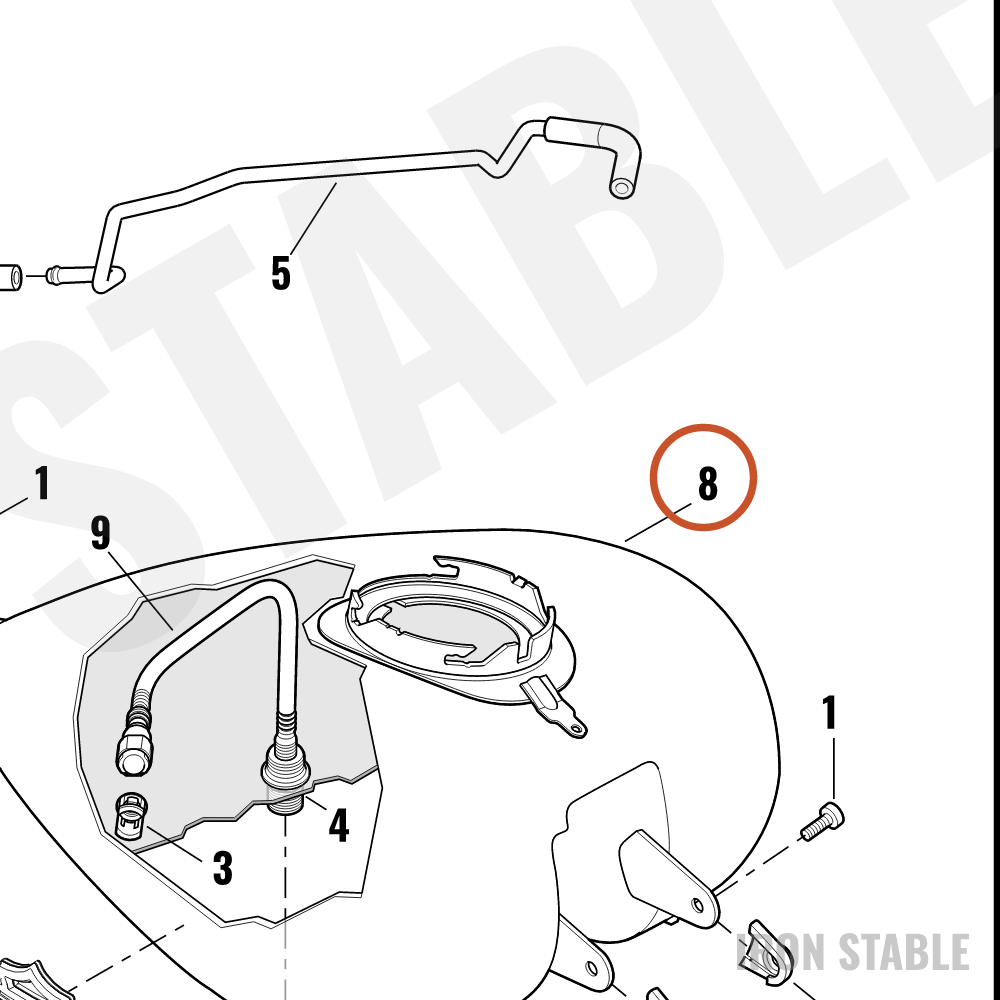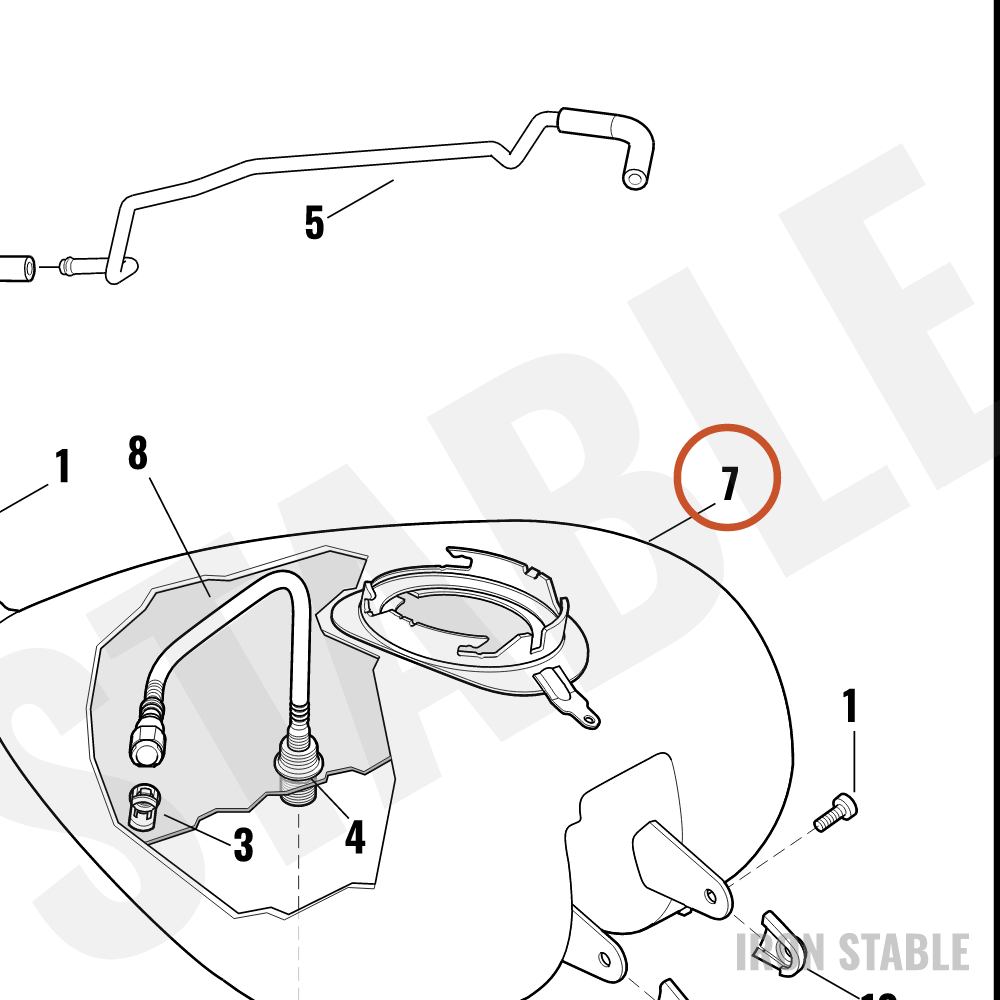
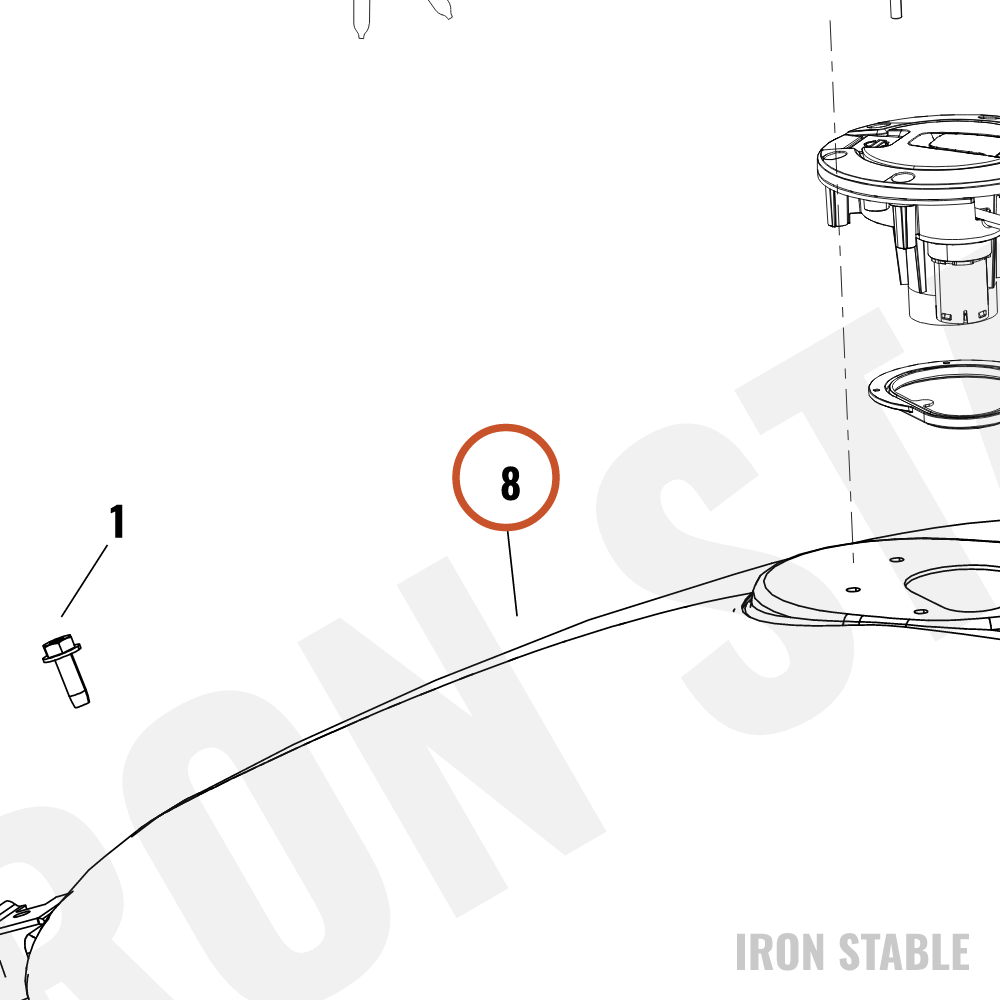
Sub-Assembly, Console, Nacelle Cover
Harley-Davidson
#70901285FBS
£4586.42£4127.78
Member£3898.46-15%
2,218 products
Fuel tanks, petcocks, caps, mounting kits and tank hardware for Harley-Davidson — over 1,500 lines, genuine H-D alongside reproduction and custom tanks. The line that matters runs between carburetted and fuel-injected models: EFI tanks carry the fuel pump and sender inside, so a carb-era tank does not transfer onto an injected bike without serious fabrication — swap within your fuel-system generation. Custom builders work in named shapes here — peanut, Mustang and king tanks each set a different line along the frame — while Sportster owners mostly come for capacity, trading the stock peanut for more miles between fill-ups. And on carburetted bikes, a machine that starves at speed or weeps at the tap usually needs nothing more than a Pingel or replacement petcock and a seal kit, not a new tank.

Or enter a custom range
Showing 1–48 of 2,218 GAS TANKS
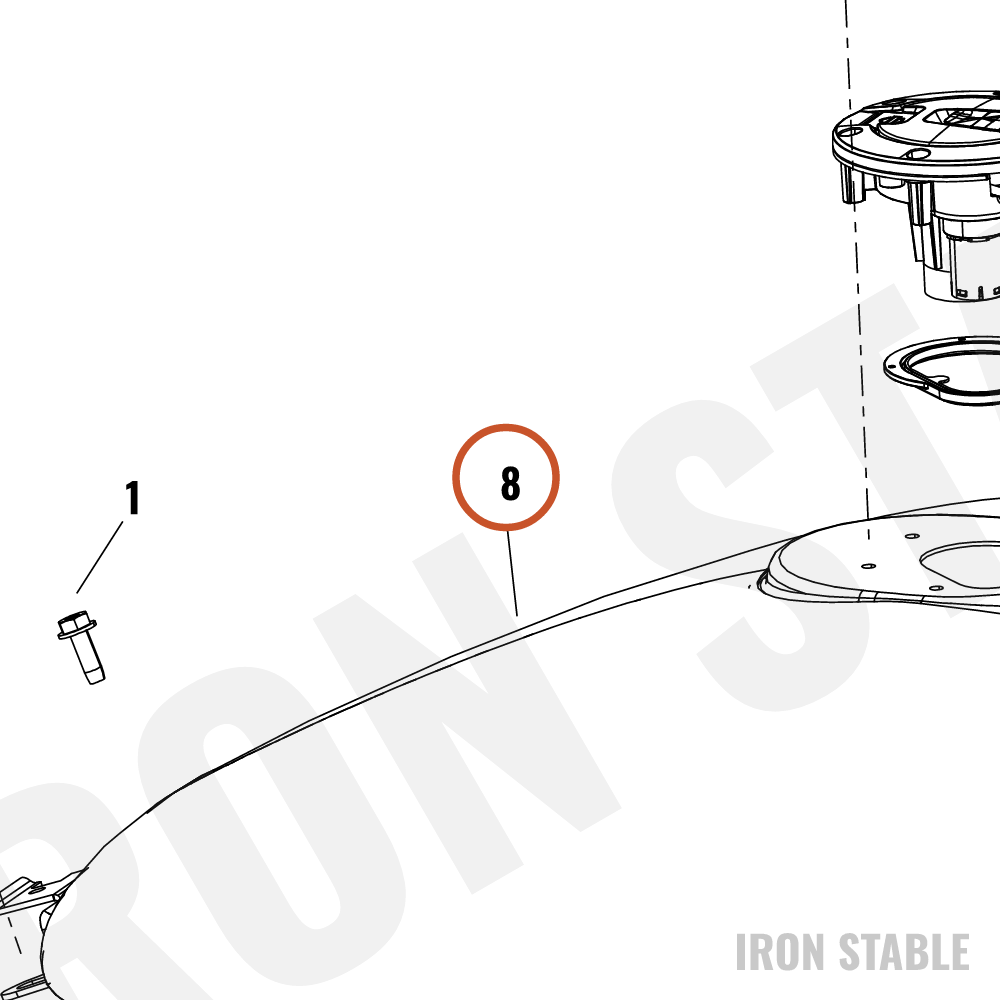
Harley-Davidson
#61001040FBC
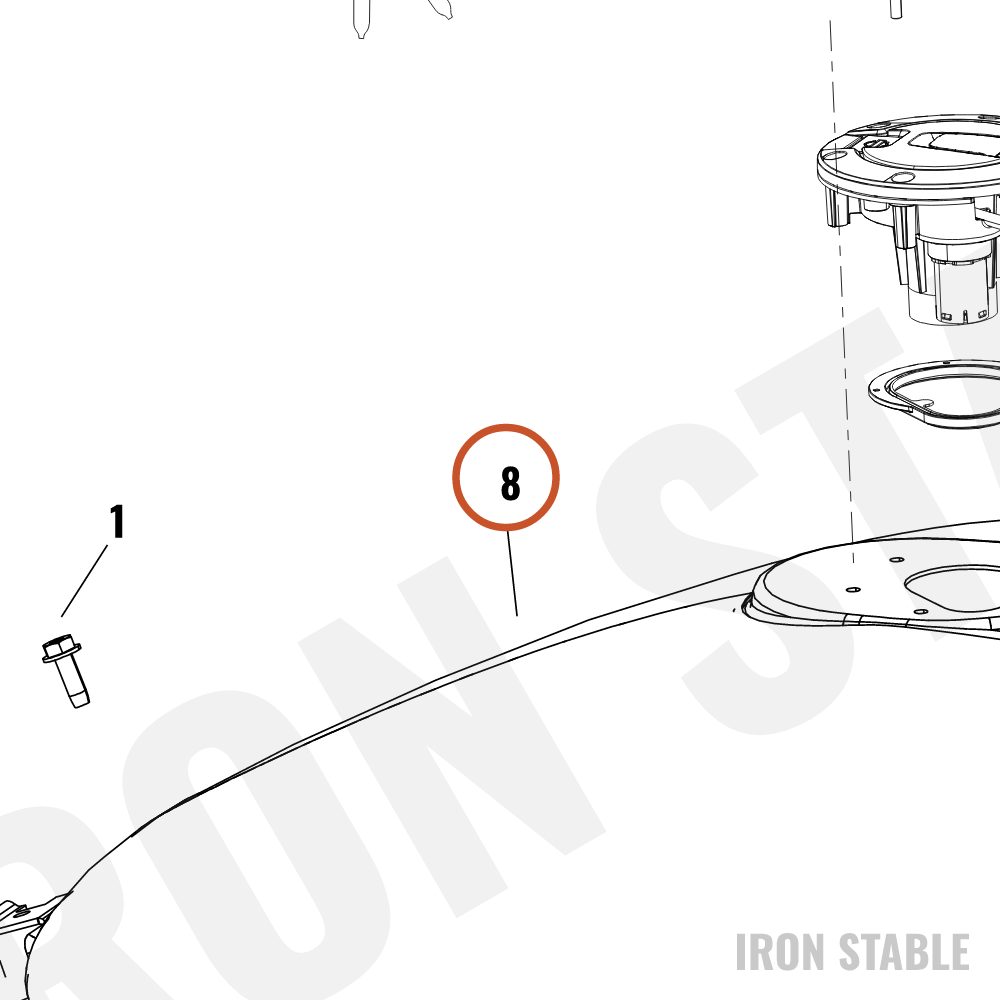
Harley-Davidson
#61001250FBA
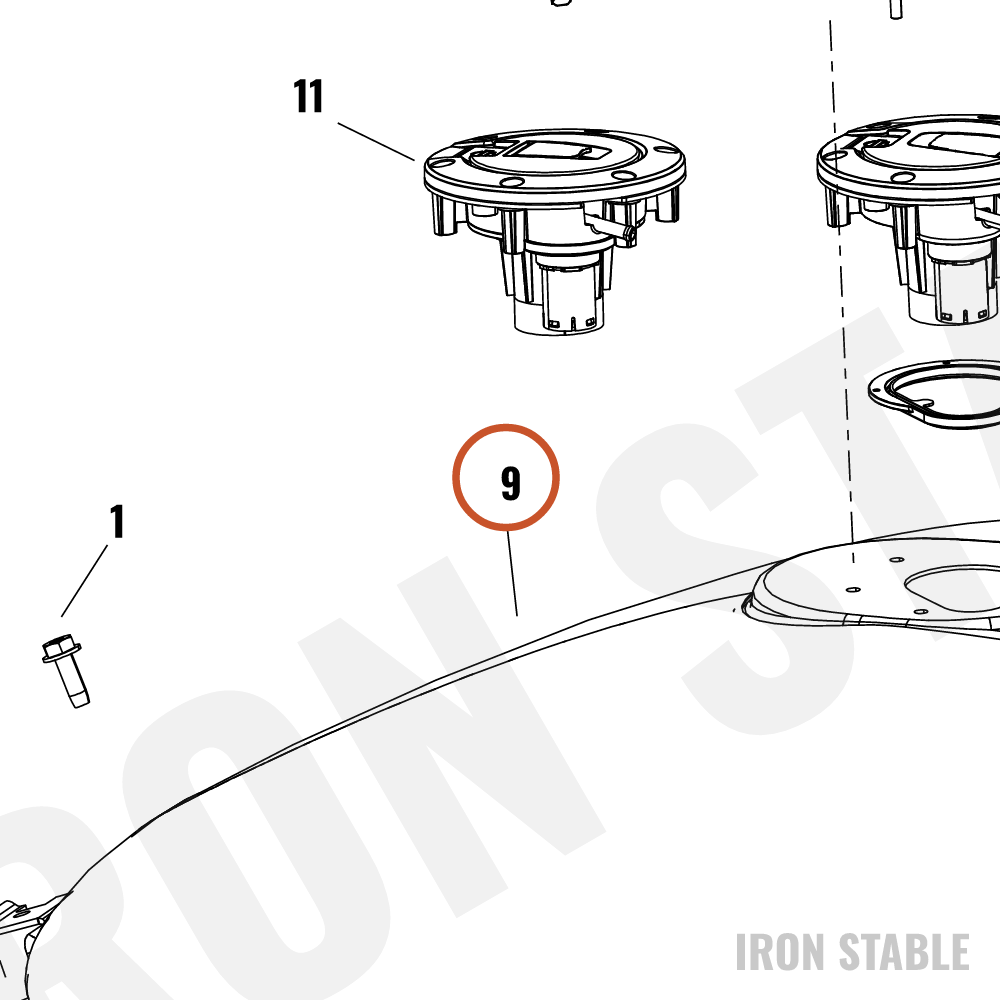
Harley-Davidson
#61001251FAY
Harley-Davidson
#61001251FAZ
One date rules this whole section: 2007, the year the last carburetted Harley left the line. Everything here sits on one side of that wall or the other.
Fuel injection arrived platform by platform — optional on some models years before it was standard — and 2007 closed the door range-wide. It matters because an EFI tank is a different machine from a carb tank: the pump and sender live inside it, the tunnel differs, and a carb-era tank cannot simply be plumbed onto an injected bike. So the first question on any tank purchase is which fuel system, then which frame era. Sportster builders have it strictest: the pre-2004 solid-mount frame, the 2004–06 rubber-mount and the 2007-on EFI era are three distinct tank fitments, and reproduction tanks generally ship without cap or petcock — price those in.
Carburetted Harleys from the mid-nineties used vacuum-operated petcocks, and the diaphragm inside is a consumable: when it fails the bike starves at speed — dies on the motorway, restarts after a rest — or quietly dumps fuel down the vacuum line. It imitates ignition faults well enough to sell a lot of unnecessary coils. The standing upgrade is a manual Pingel: no diaphragm, more flow, one less thing. Earlier bikes were manual all along; EFI bikes have no petcock at all — their equivalent failure is the in-tank pump, and its tell is the missing two-second prime buzz at key-on.
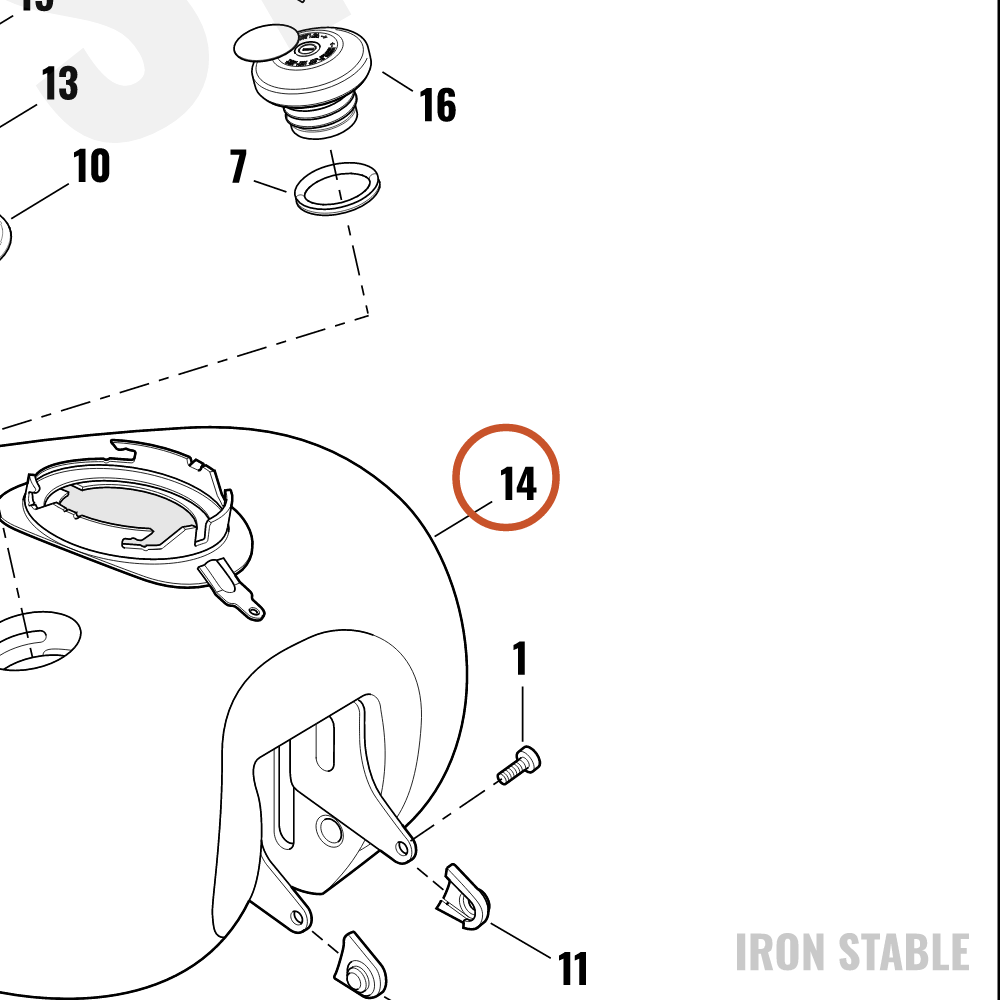
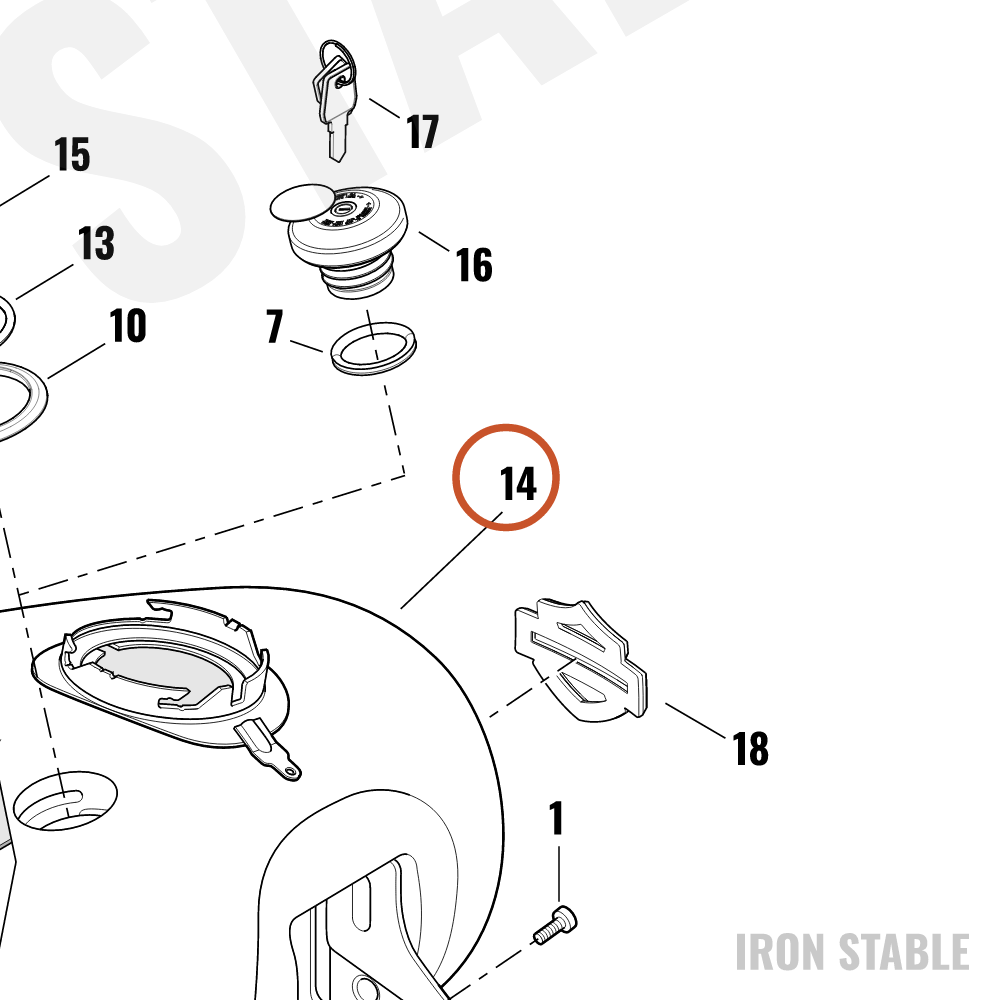
On the classic split "fat bob" twin-cap tanks, the caps are a matched pair with jobs: vented on the right, non-vented on the left. Swap them casually and fuel weeps out on the side-stand — or, with a non-vented cap on a single-cap gravity tank, the bike starves as vacuum builds. Thread patterns also changed in the mid-nineties, so a modern cap will not necessarily seal a 1980s tank. Fuel gauges that lie are almost always the sender — a worn rheostat strip reads as a bouncing needle — and senders are year-matched to their gauges, so mixing generations buys a new kind of wrong reading.
A crusty tank is worth saving — good original tanks are getting dearer every year — but sealer choice is where restorations go to die: the old shop favourite that peels into a loose bladder under modern ethanol fuel has filled a thousand forum horror threads. Modern two-part epoxy sealers, applied exactly by the book after honest rust removal, are what the professionals use; E10 resistance is the deciding spec. And for the Sportster rider tired of 100-mile fuel stops: the original peanut holds about 2.2 gallons, the later high-capacity peanut 3.3, and king tanks push toward 4.5 — sold by frame era and fuel system per the wall above. More range per fill is the cheapest touring upgrade a Sportster can buy.
| The symptom | The usual cause | The part |
|---|---|---|
| Dies at speed, restarts after resting (carb bike) | Vacuum petcock diaphragm failing | Manual petcock conversion or rebuild kit |
| No buzz at key-on, no start (EFI bike) | In-tank fuel pump or its supply | Pump — confirm with a fuel-pressure test first |
| Fuel weeping at a cap on the side-stand | Vented/non-vented caps swapped on a twin-cap tank | Correct cap per side — vented right, plain left |
| Gauge bounces or sticks on full | Sender rheostat worn, float snagged | Year-matched sender |
| Carb keeps filling with rust flakes | Tank corroding from the inside | Rust removal + epoxy sealer, plus an inline filter while it settles |
Free UK Delivery
On orders over £100
14-Day Returns
Easy & hassle-free
Authorised Dealer
Iron City Motorcycles
Secure Payment
256-bit encryption
You appear to be browsing from the UK.
Same parts, same prices in £, on ironstable.co.uk.
It looks like you're in Europe
Would you like to view prices in €?