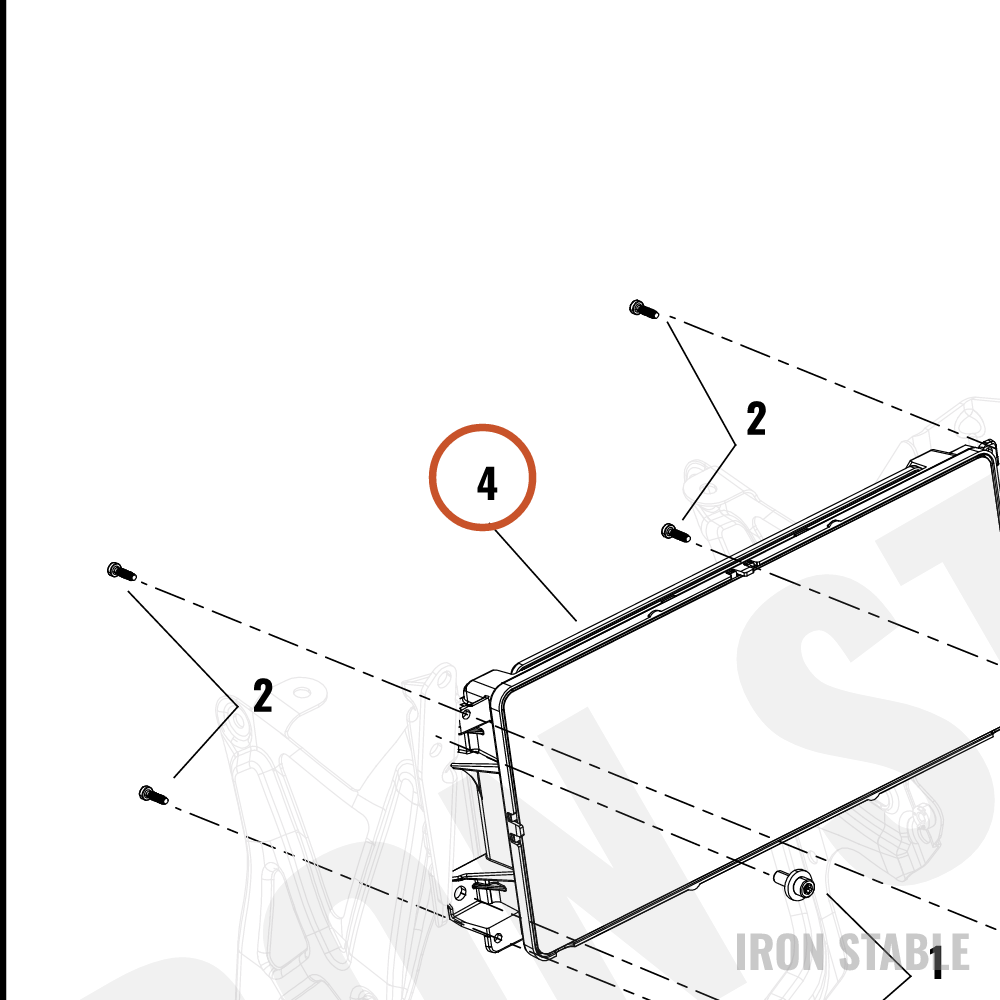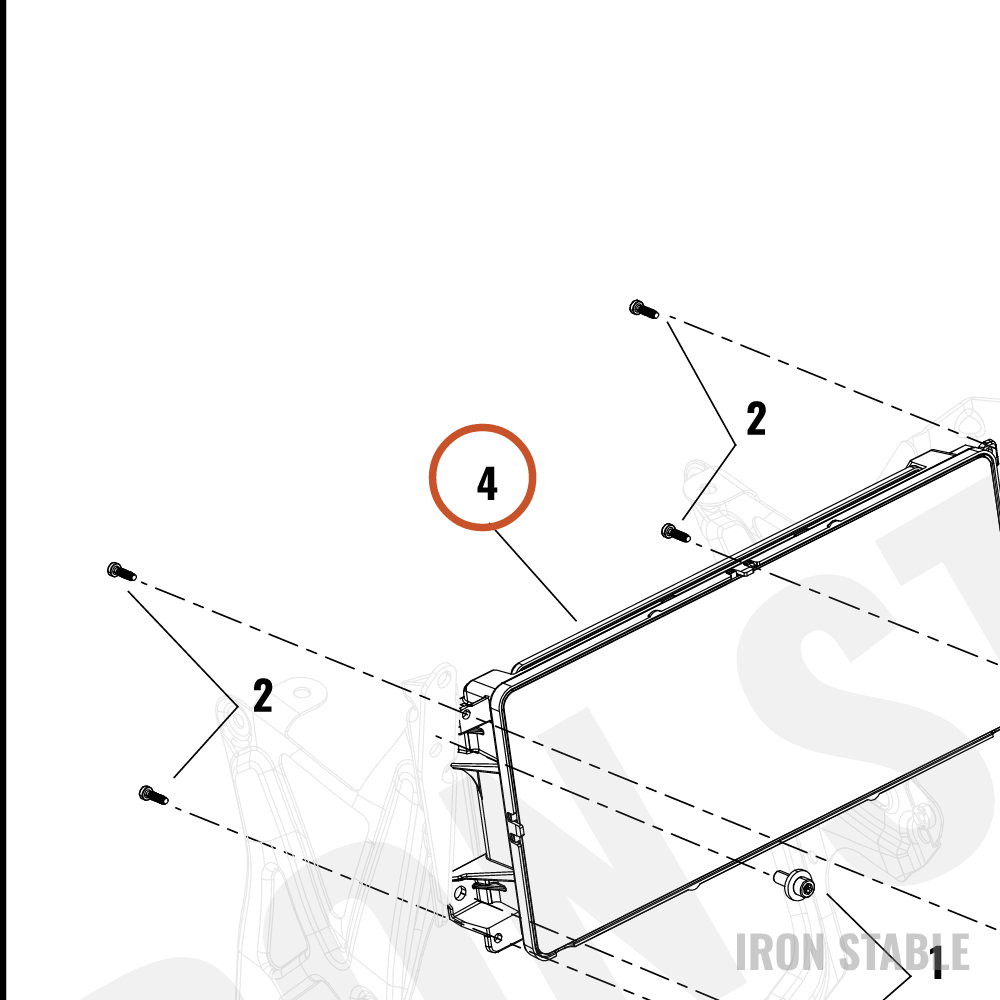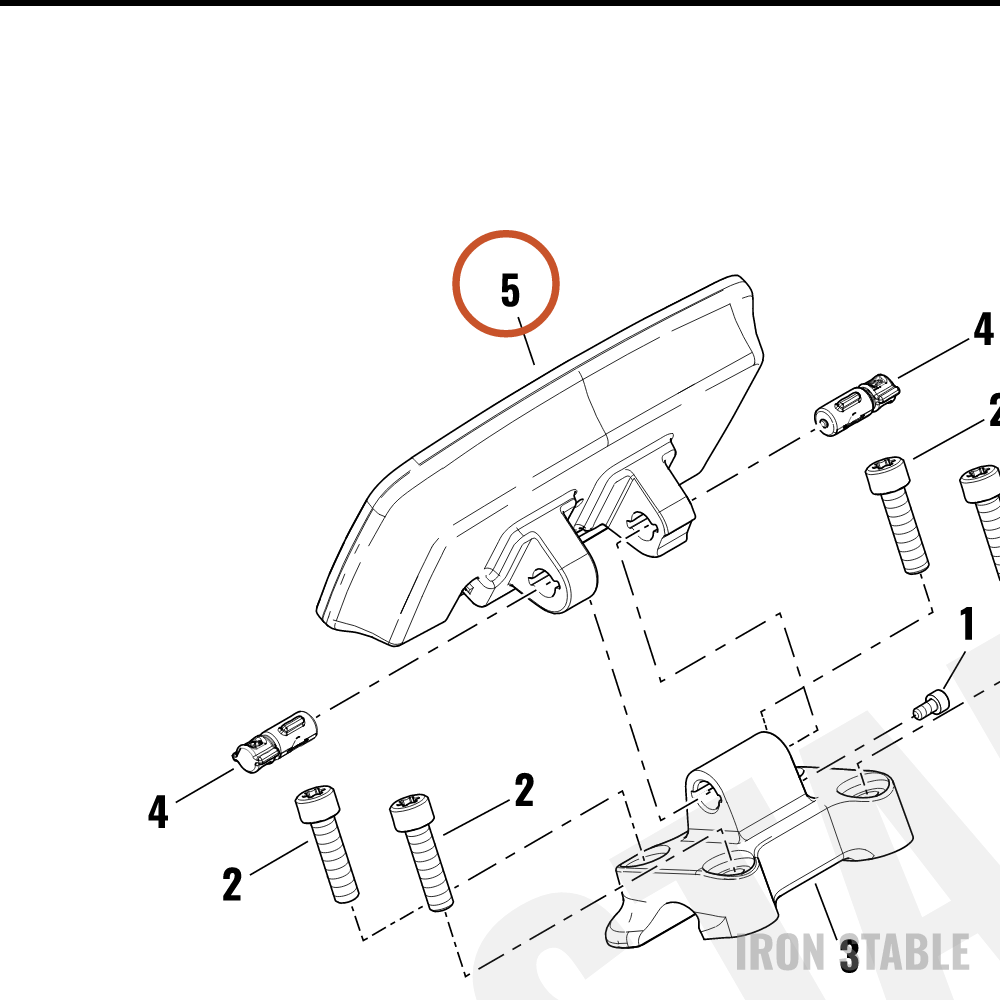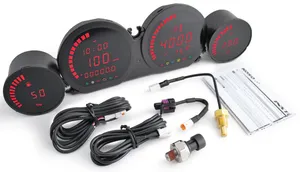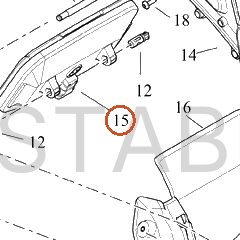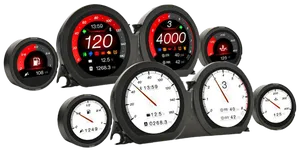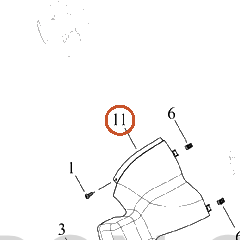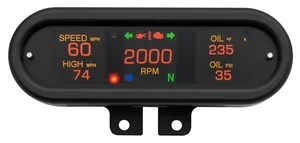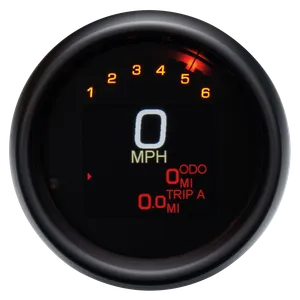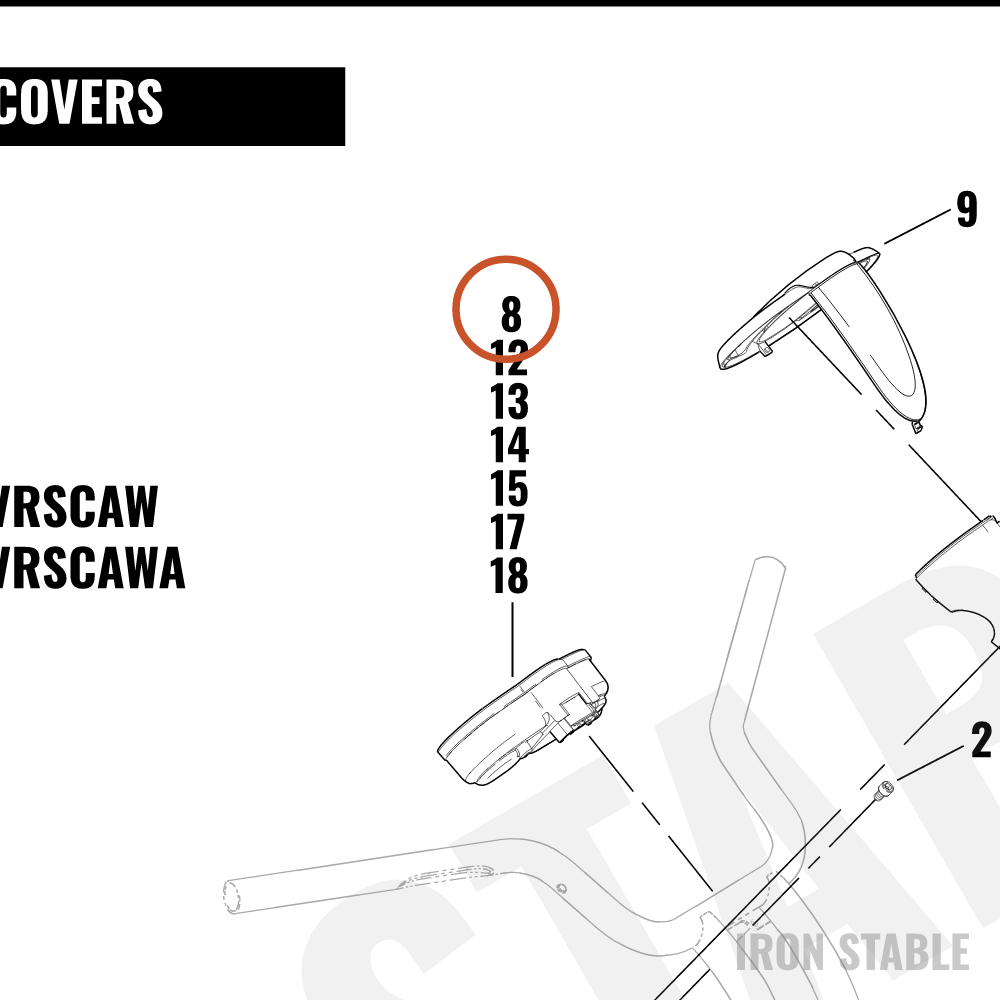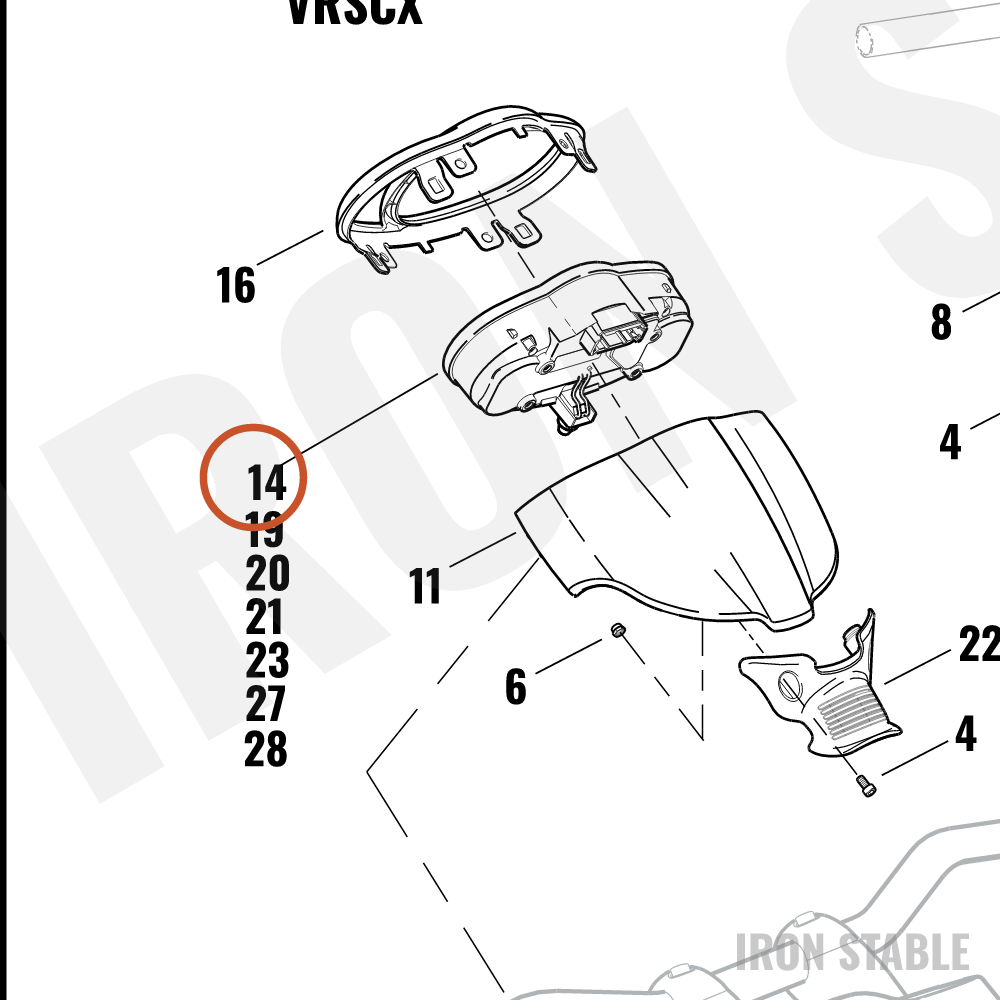
Instr, Clstr, Dgtl, Infot, Hd, Dom
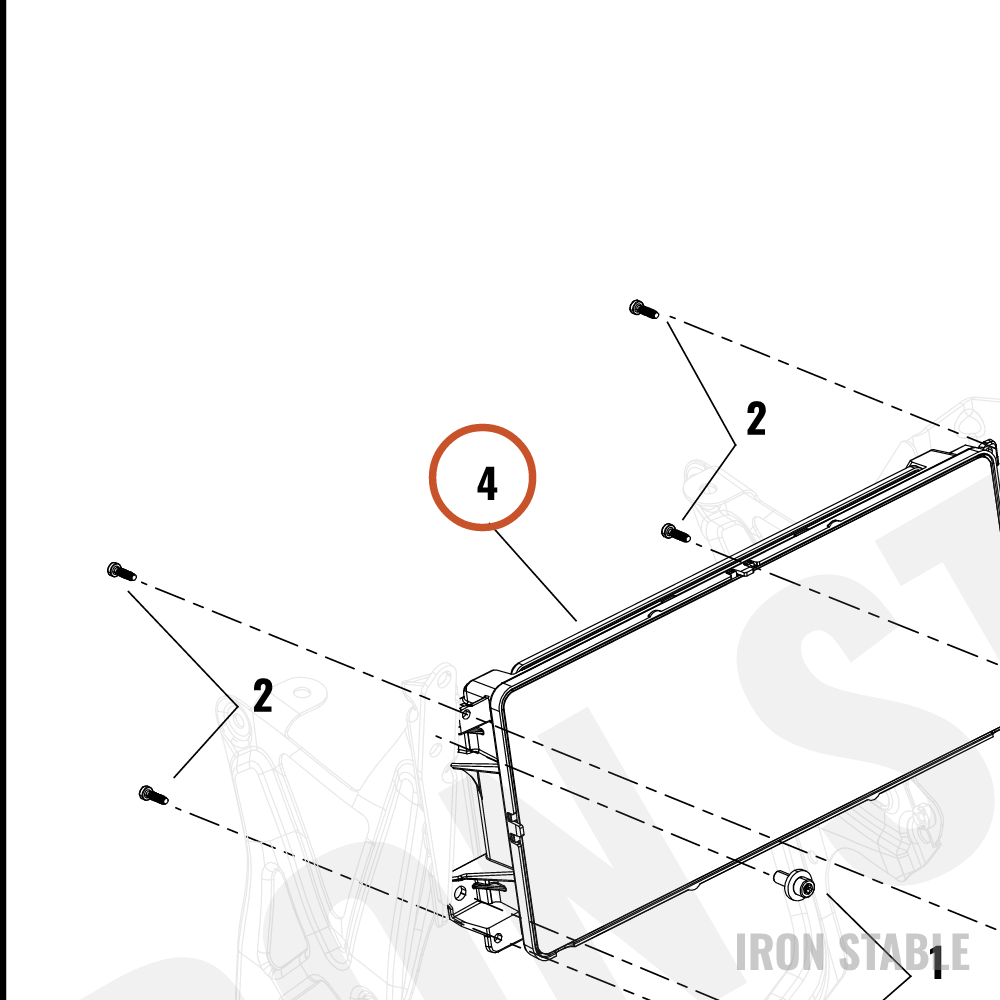
Harley-Davidson
#70901090B
£3301.93£2971.74
Member£2806.64-15%
1,187 products
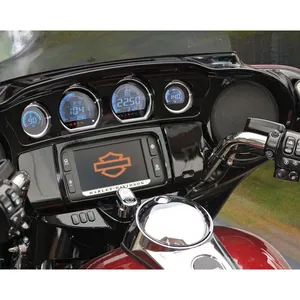
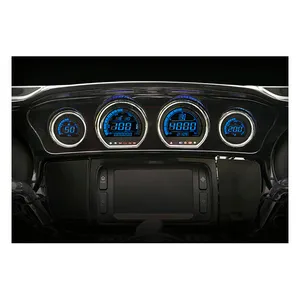
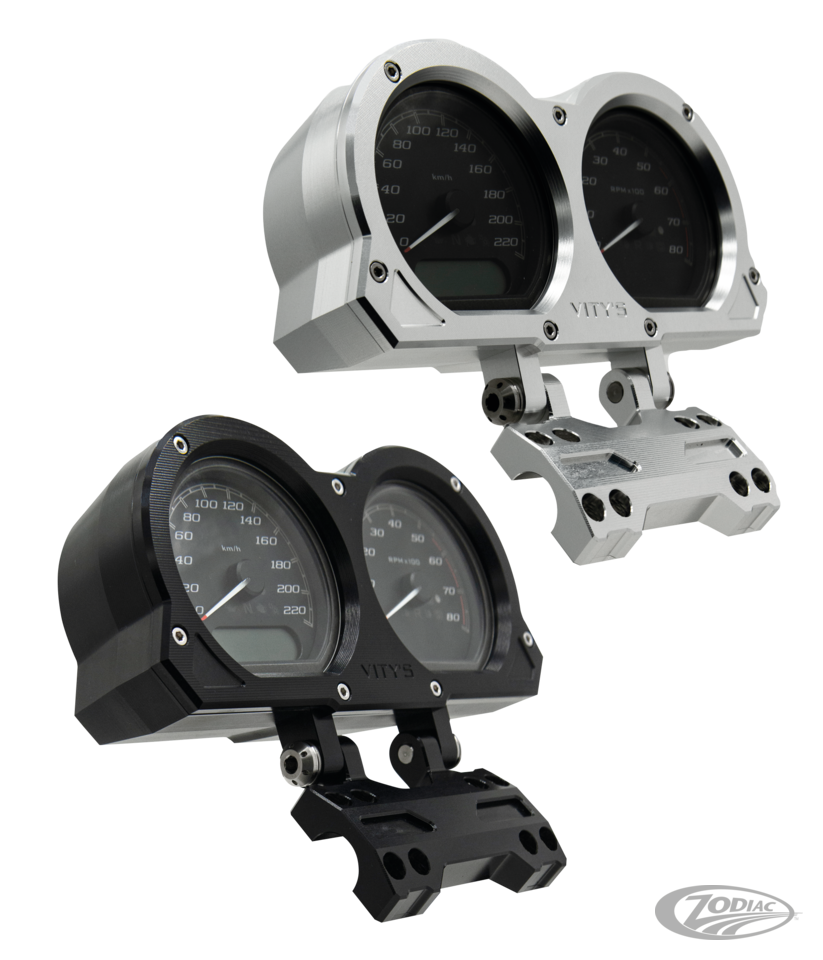
Speedometers, tachometers, gauges and dash hardware for Harley-Davidson — around 750 lines, from genuine replacement clocks to full digital conversions. The fitment line that matters is electronic: late-model Harleys run CAN-bus wiring, so a gauge must be plug-compatible with your year — Motogadget and Koso both build CAN-capable units, but it is the listing, not the brand, that confirms your model. Older and carburetted bikes are the simpler job, and that is where custom builders shop: a Motogadget Motoscope or a small Koso dial replaces the factory clutter with one tidy instrument. Genuine Harley-Davidson covers the direct-swap repair — a dead stock speedo back to stock — and MCS the drives, fixings and dash panels around it. One symptom worth knowing: a wandering or dead speedo on Evo-era bikes is often the sensor or drive rather than the clock, and both live here.

Or enter a custom range
Showing 1–48 of 1,187 SPEEDO/TACHO/DASH
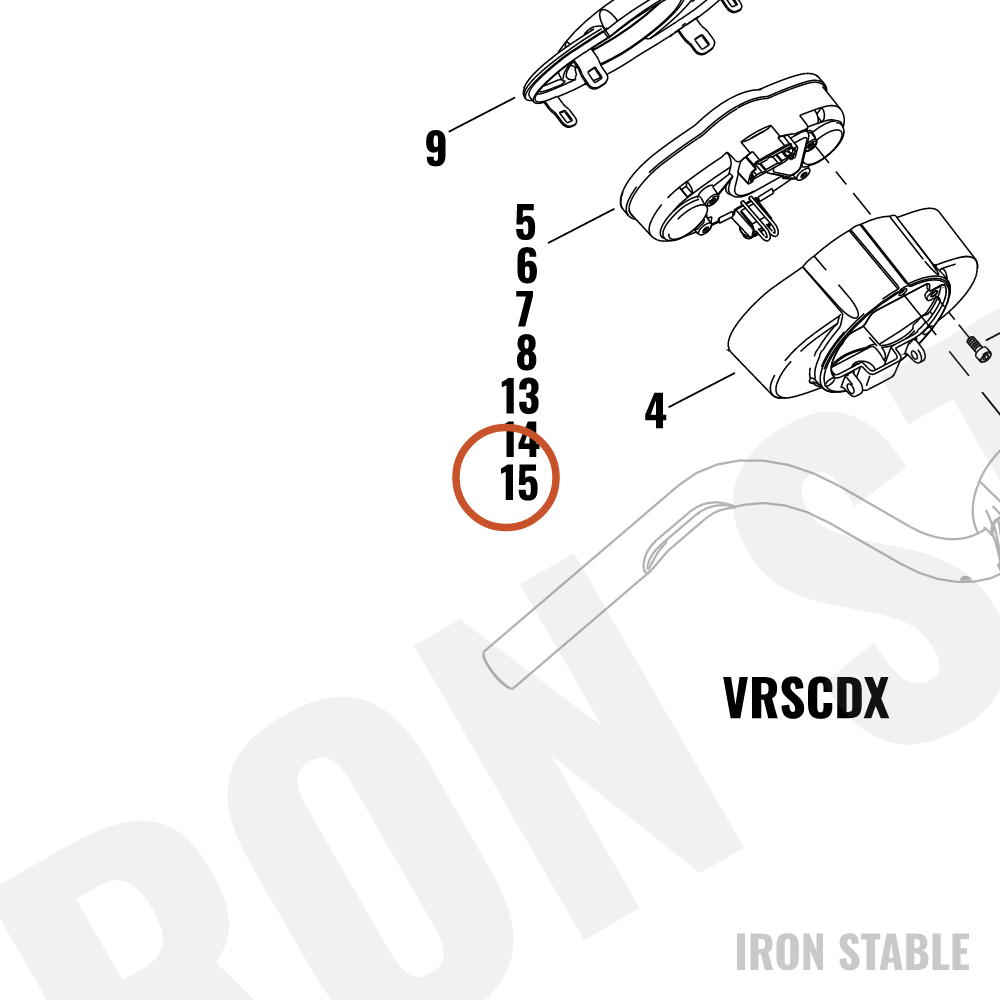
Harley-Davidson
#70901090B
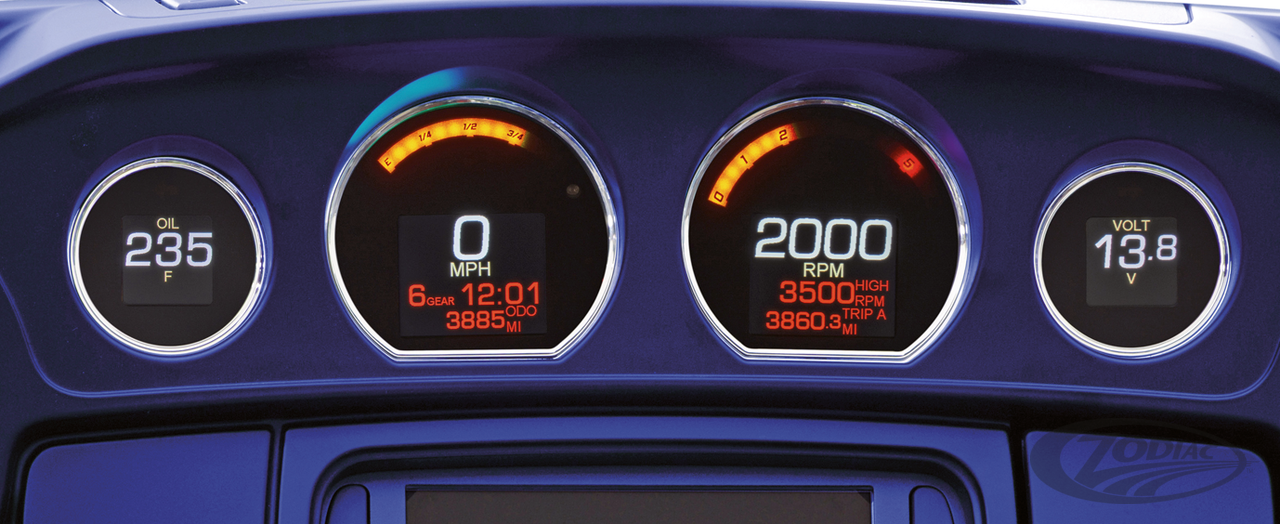
Dakota Digital
#745392
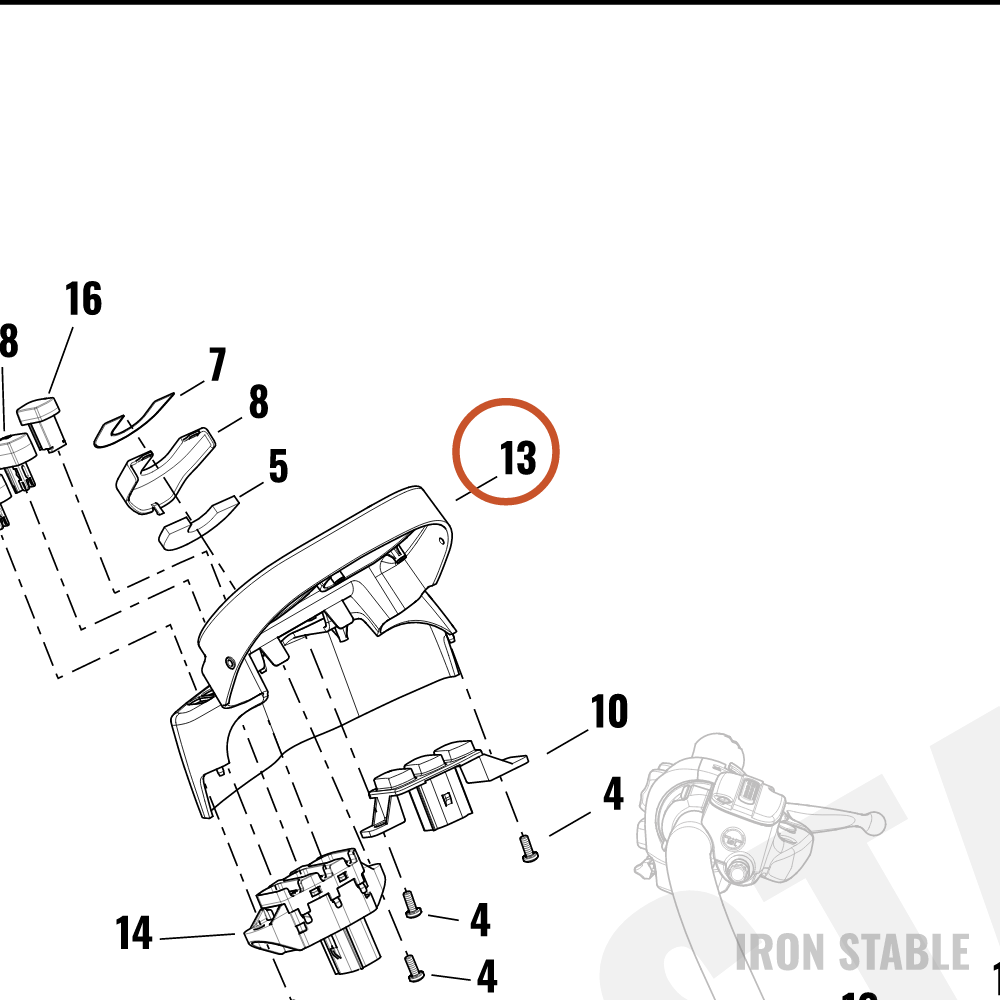
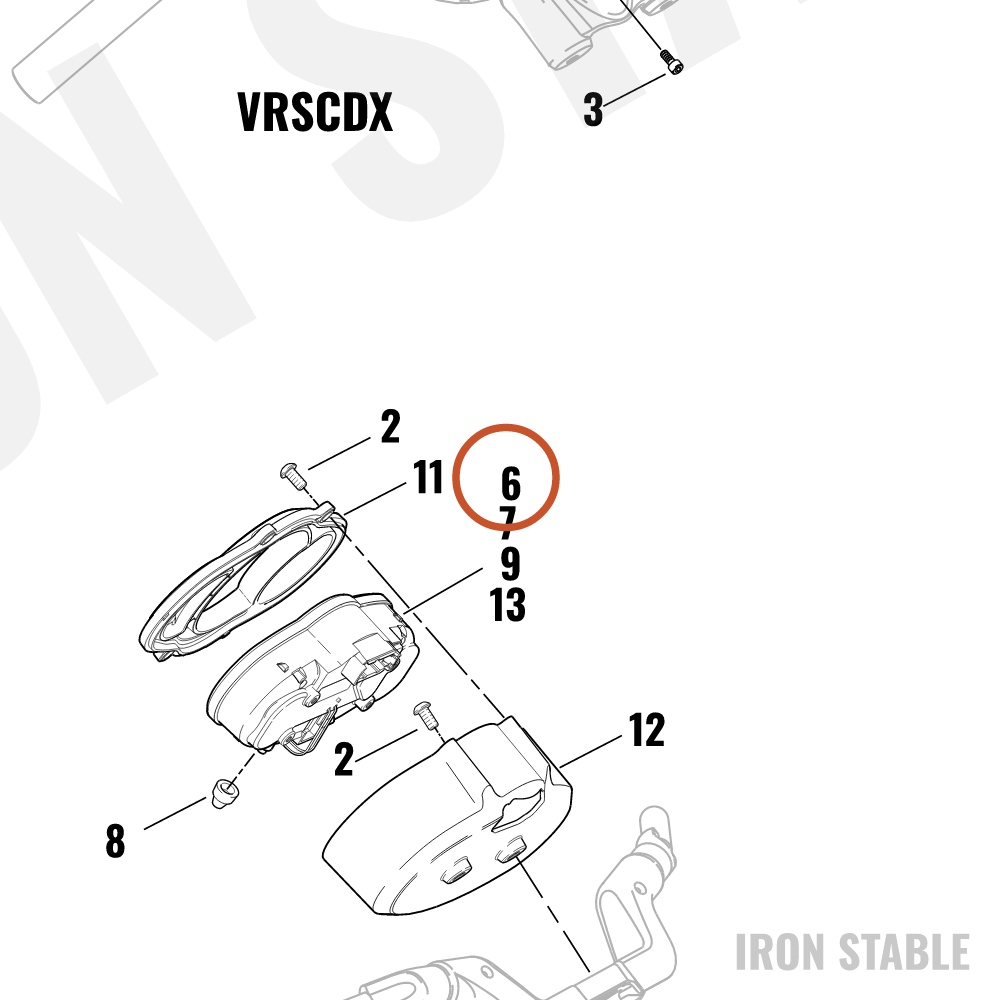
Harley-Davidson
#70900471EGS
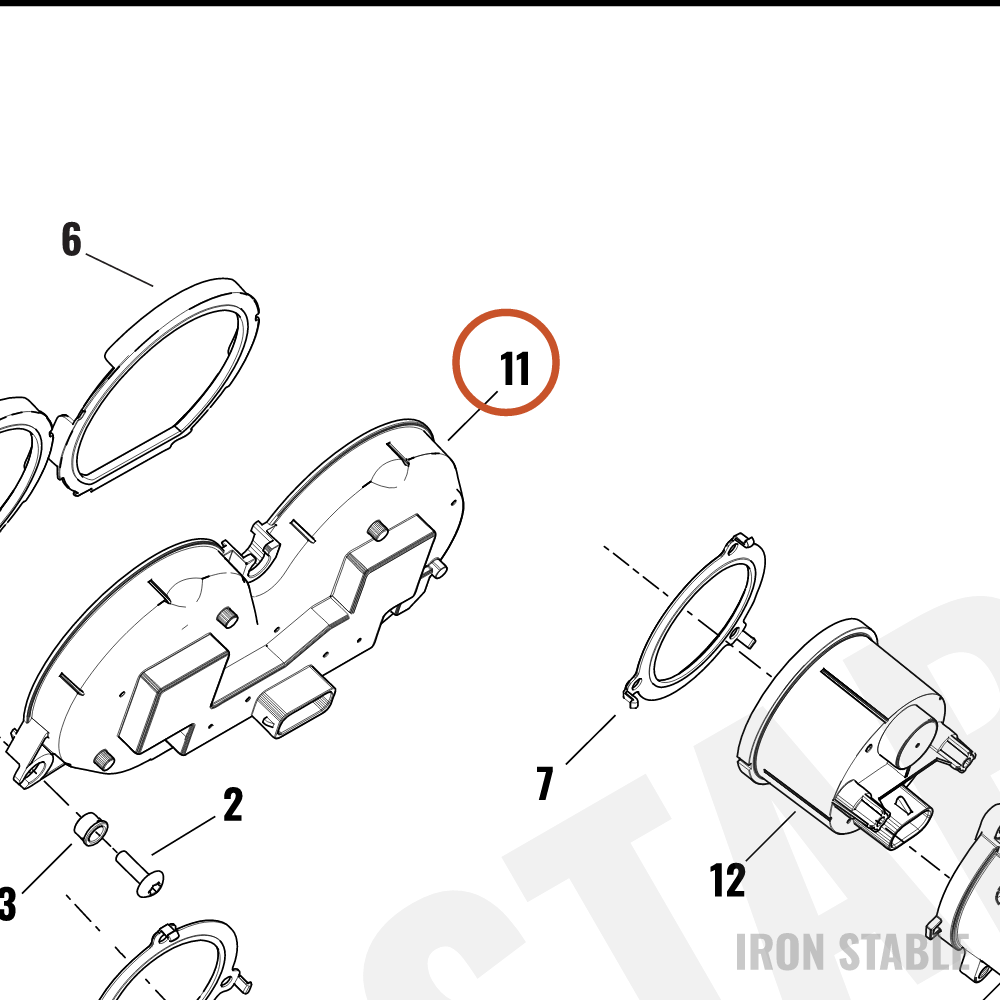
Harley-Davidson
#70900471EGV
Every instrument purchase on this page is really an electrical-era question. Get the era right and the rest is taste.
Era one, roughly 1995–2003: an electronic speed sensor feeding a discrete signal — the simplest world for aftermarket speedos. Era two, from 2004: the gauges became devices on a serial data bus, so a replacement must speak that protocol — this is the window the Koso plug-and-play kits serve (Sportster and Dyna from 2004, Touring 2004–13). Era three, CAN-bus: Softail from 2011, Dyna from 2012, Touring and Sportster from 2014 — a hard wall for earlier-era gauges, needing CAN-native units (Motogadget's plug-and-ride line lives here). The brand on the box matters less than the era on the listing: the same manufacturer makes different electronics for each window, so match the year range exactly.
One more late-model wrinkle: on CAN bikes the cluster holds the odometer and talks to the bike's security, so a replacement gets "married" to the machine with a data-sync step. Budget the pairing into the job, and keep the old gauge until it is done.
On mid-nineties-onward Evos the usual culprit is not the clock but the transmission-mounted speed sensor: it reads through a magnet that collects metal filings, and because its signal routes onward through the bike's electronics, a failing one also makes self-cancelling indicators misbehave — a weirdly reliable diagnostic pairing. It is one bolt to pull, clean and refit before buying anything. Genuinely dead gauges on that era are usually the cluster's stepper motor, which is when a replacement speedo or a leap to a modern digital dash makes sense. Earlier machines with cable-driven clocks live on through the drives, cables and seals stocked here.
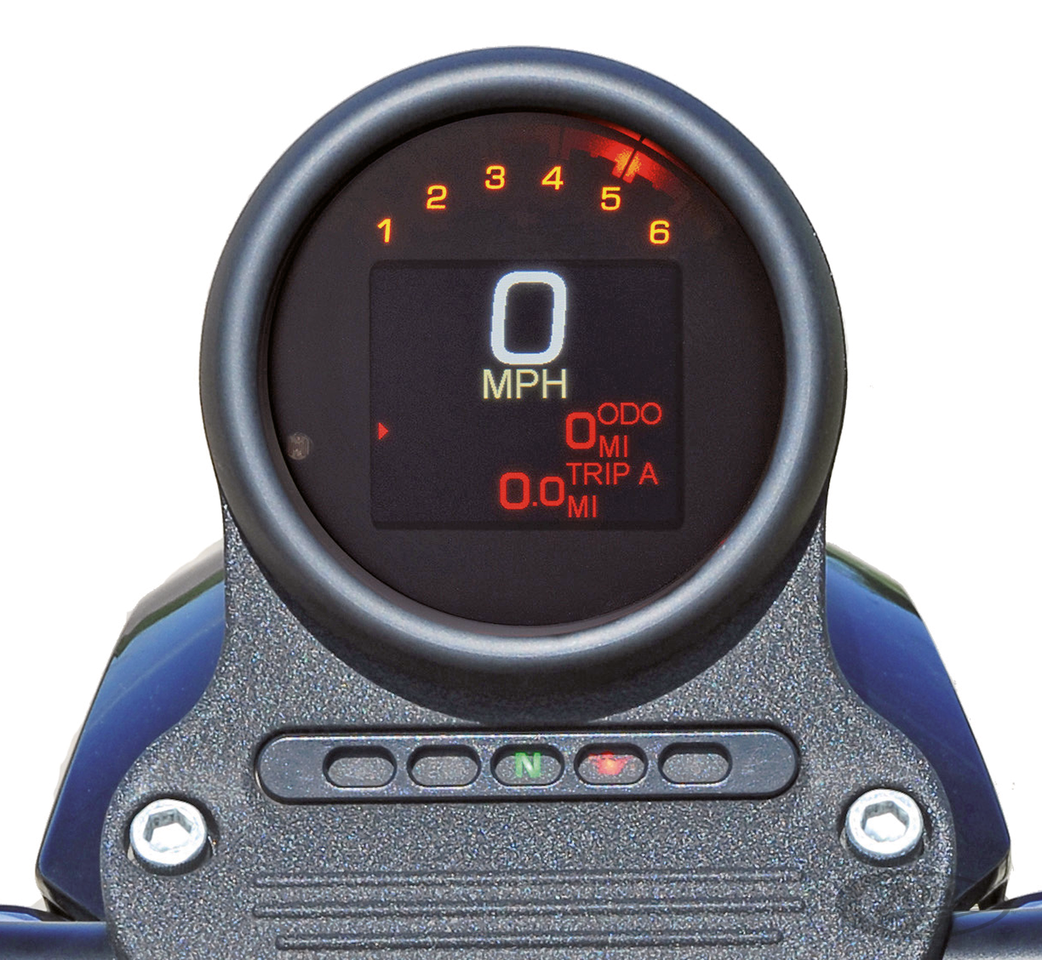
Custom builders shop this page to delete clutter: a Motogadget Motoscope or a small Koso dial replaces the factory arrangement with one tidy instrument, and on pre-CAN bikes that is a satisfying, well-trodden job. Digital gauges also solve the multi-function problem on stripped-down builds — speed, revs, gear and a fuel warning in one housing.
For imported bikes: swapping a km/h faceplate for an mph one changes the printing, not the electronics — the odometer keeps counting kilometres and the needle still thinks in them. A true conversion means reprogramming or recalibrating the unit itself. Better to learn that here than from an MOT tester.
| The fault | Check first | Then the part |
|---|---|---|
| Speedo dead or erratic, indicators also acting up (Evo era) | Speed sensor magnet fouled with filings | Clean it — one bolt; then a new sensor |
| Fuel gauge stuck on full or bouncing | Sender rheostat or float, not the gauge | Sender first — ours live under gas tanks |
| New aftermarket gauge powers up but shows nothing | Wrong electrical era — J1850 gauge on a CAN bike or vice versa | Match the listing's year range exactly; era beats brand |
| Fogged gauge lens | Temperature swings — gauges are not hermetically sealed | Usually cosmetic; gentle warmth clears it before you buy anything |
Not directly. HDI instruments are calibrated in km/h and can carry different pinout assignments for the neutral indicator and trip reset functions on some model years. The connectors look identical, but plugging an HDI speedo into a domestic wiring loom can produce incorrect speed readings and fault codes. If you're sourcing a used instrument from Europe, verify the part number ends with the correct market suffix before buying.
Yes. A tyre change that alters rolling circumference — switching from a 180/65 to a 180/55, for example — will cause the speedo to read high or low, which also affects the odometer and cruise control. Speedo healers (Trail Tech, Dakota Digital) splice into the speed sensor signal and let you dial in a correction factor. They're legal in the UK as a calibration tool; the offset lives in the device, not in the instrument.
Genuine H-D clusters carry a Harley holographic label on the PCB, visible through the back of the cluster, and a cast-in H-D logo on the internal housing. On a used unit, check the backlight uniformity — counterfeits usually show hot spots or uneven brightness. Cross-reference the part number etched on the back against Harley's microfiches; a number that doesn't appear in any fitment chart is a reliable warning sign.
Free UK Delivery
On orders over £100
14-Day Returns
Easy & hassle-free
Authorised Dealer
Iron City Motorcycles
Secure Payment
256-bit encryption
You appear to be browsing from the UK.
Same parts, same prices in £, on ironstable.co.uk.
It looks like you're in Europe
Would you like to view prices in €?