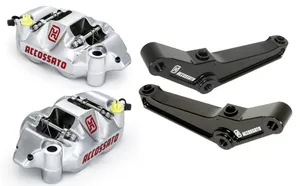
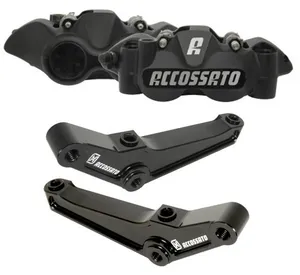
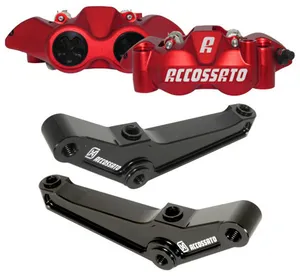
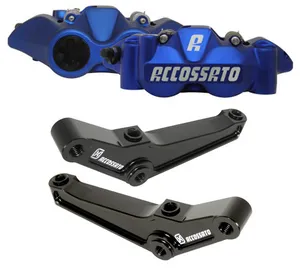
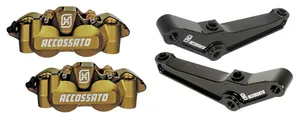
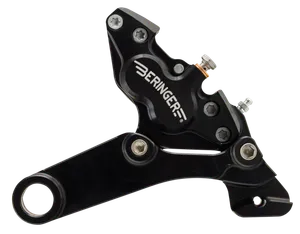
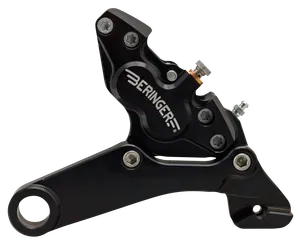
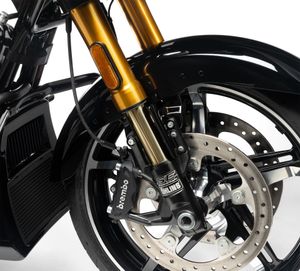
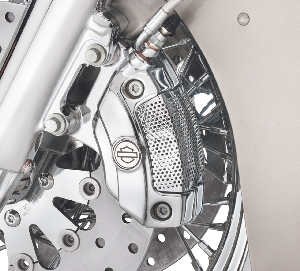
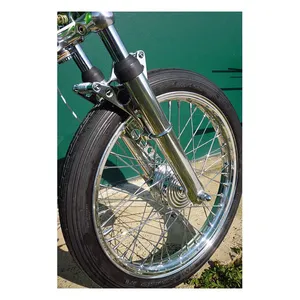
Screamin' Eagle Ohlins 48mm Fork Kit, Black
Harley-Davidson Accessories
#45400392A
£3098.62£2788.76
Member£2633.83-15%
4,944 products
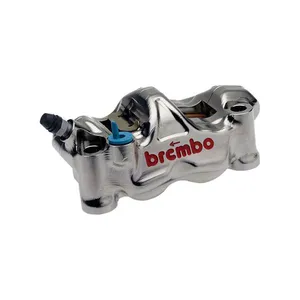
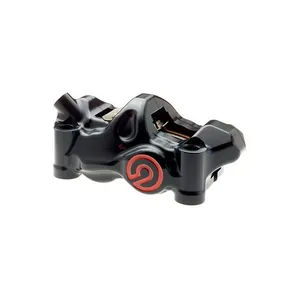
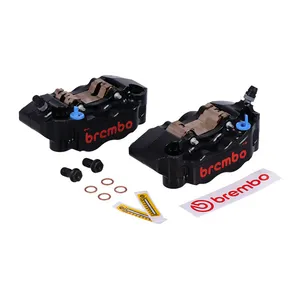
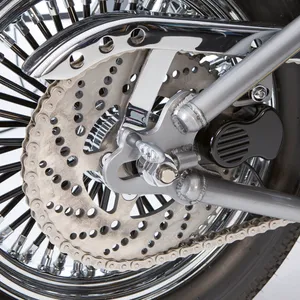
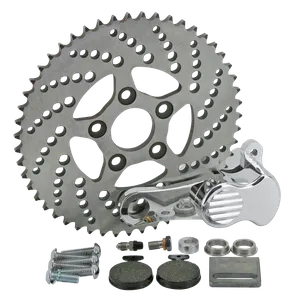
Brake pads, discs, calipers, braided lines and master cylinders for Sportster, Dyna, Softail and Touring — over 5,300 lines in stock. Pads are the real decision: organic compounds are quiet and gentle on polished discs, while sintered pads like EBC's Double-H bite harder in the wet or two-up and last longer, at the cost of faster disc wear. The symptoms map cleanly to parts: a lever that slowly comes back to the bar wants braided Goodridge lines and fresh fluid before anything else; a pulse through the lever is a warped or worn-thin disc; grinding means the pads went metal-to-metal and the disc is probably part of the bill now. Watch the platform split when ordering — Touring models from 2008 on run Brembo calipers and take different pads from the earlier Harley calipers, so check the year, not just the model.

Or enter a custom range
Showing 1–48 of 4,944 BRAKE
What actually goes wrong with Harley brakes, which caliper generation is on your bike, and where the money is best spent.
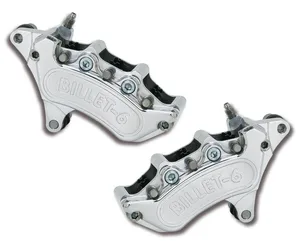
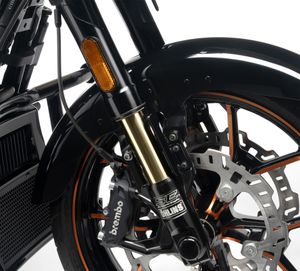
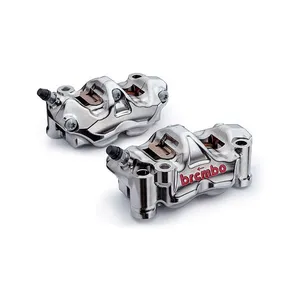
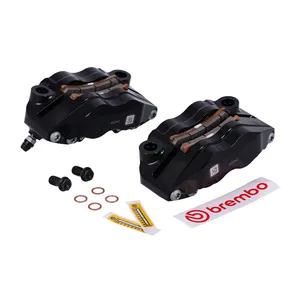
Harley brakes split into clear generations, and parts do not cross them. Big Twins and Sportsters got the four-piston front calipers from model year 2000, and the aftermarket catalogues "2000-up" as a hard break. Touring models changed again in 2008, when the whole line moved to Brembo calipers with a bigger master cylinder and larger discs — 2000–2007 and 2008-on Touring pads and rotors do not interchange. From 2014, Touring added Reflex linked braking (front and rear work together above roughly 20 mph), and the same year the Sportster front disc grew from 292 mm to 300 mm with new caliper pistons.
So the ordering rule on this page is: check the year, not just the model name. A Street Glide pad listing that fits a 2007 will not fit a 2009.
Organic pads are quiet, gentle on polished and chrome discs, and fine for solo riding at road pace. Sintered metal — EBC's Double-H being the default recommendation — bites noticeably harder, keeps working in the wet and two-up, and lasts longer, at the price of faster disc wear and the odd cold-morning squeal. Semi-sintered splits the difference and is the sensible answer on a bike that does a bit of everything.
2018-on Milwaukee-Eight Softail owners chasing the well-known every-stop squeal usually end up solving it with a pad change away from the original compound plus a chamfer on the pad leading edges — it is the most discussed brake complaint on that platform, and a pad-level fix, not a caliper fault.
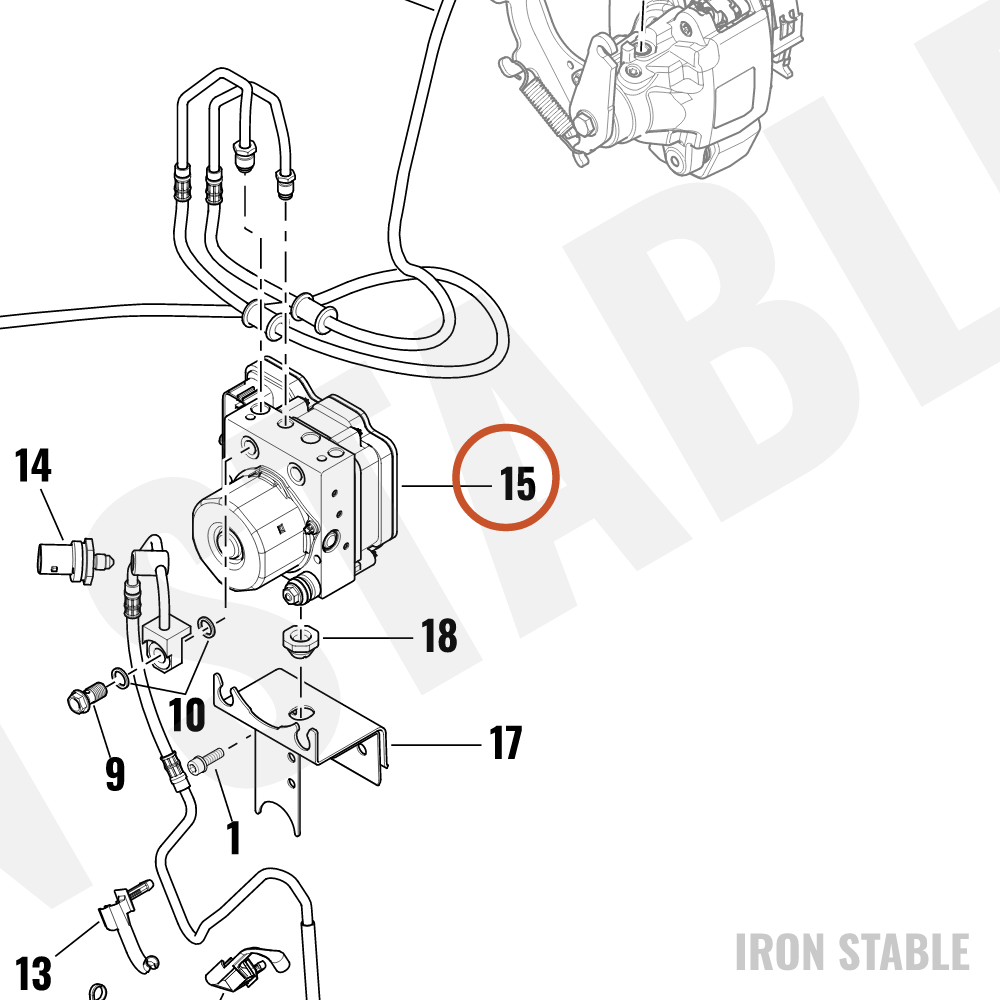
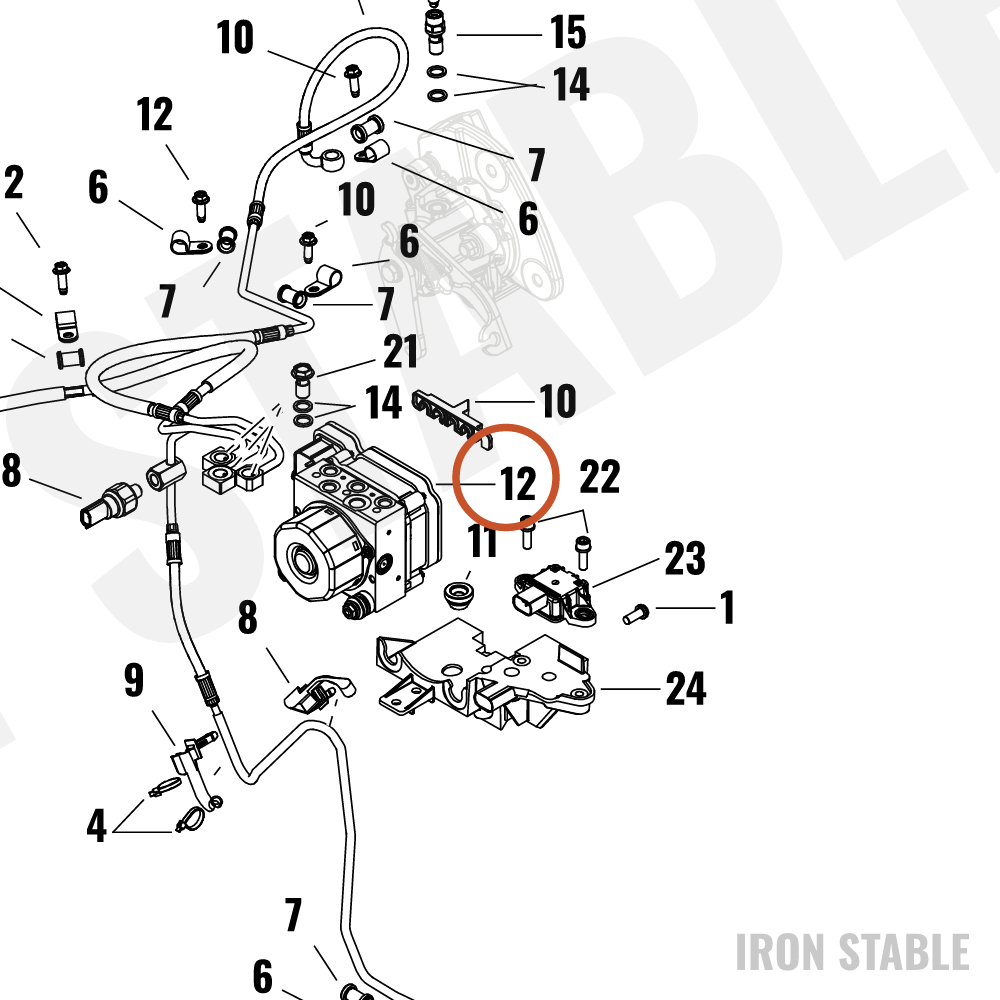
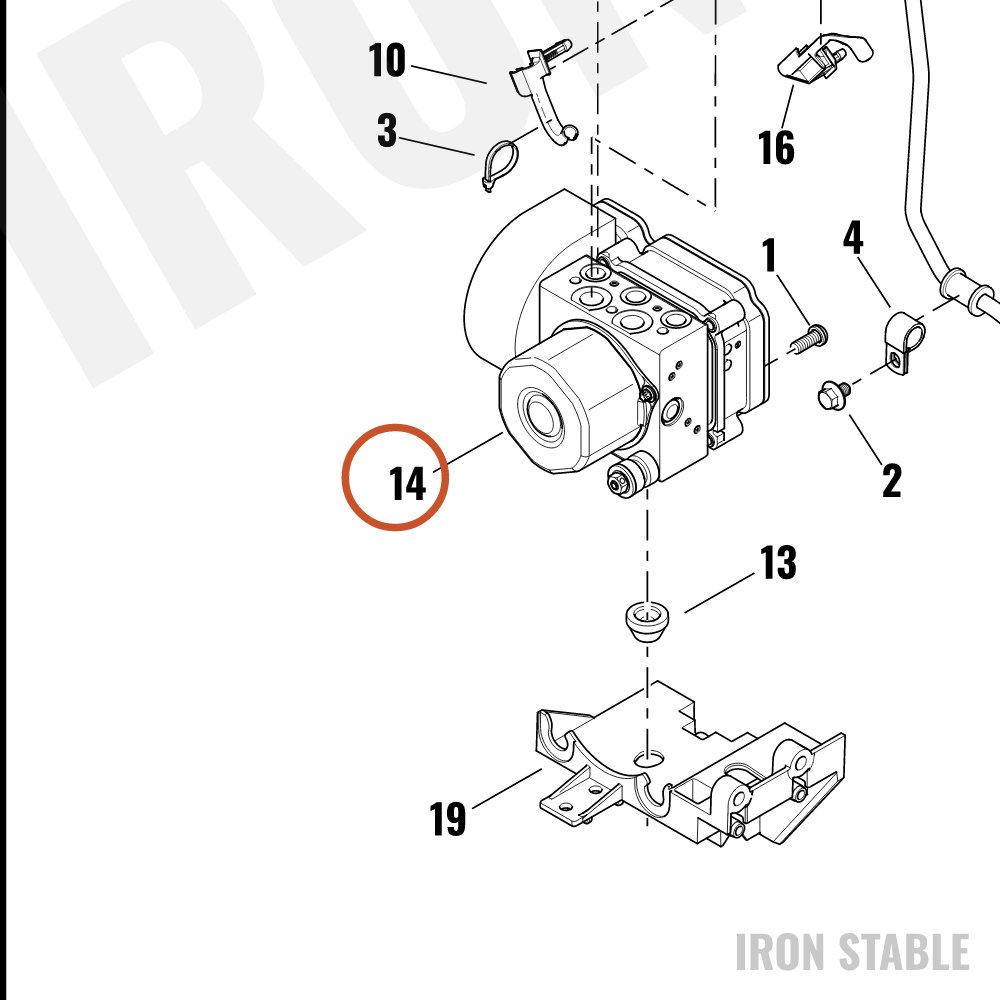
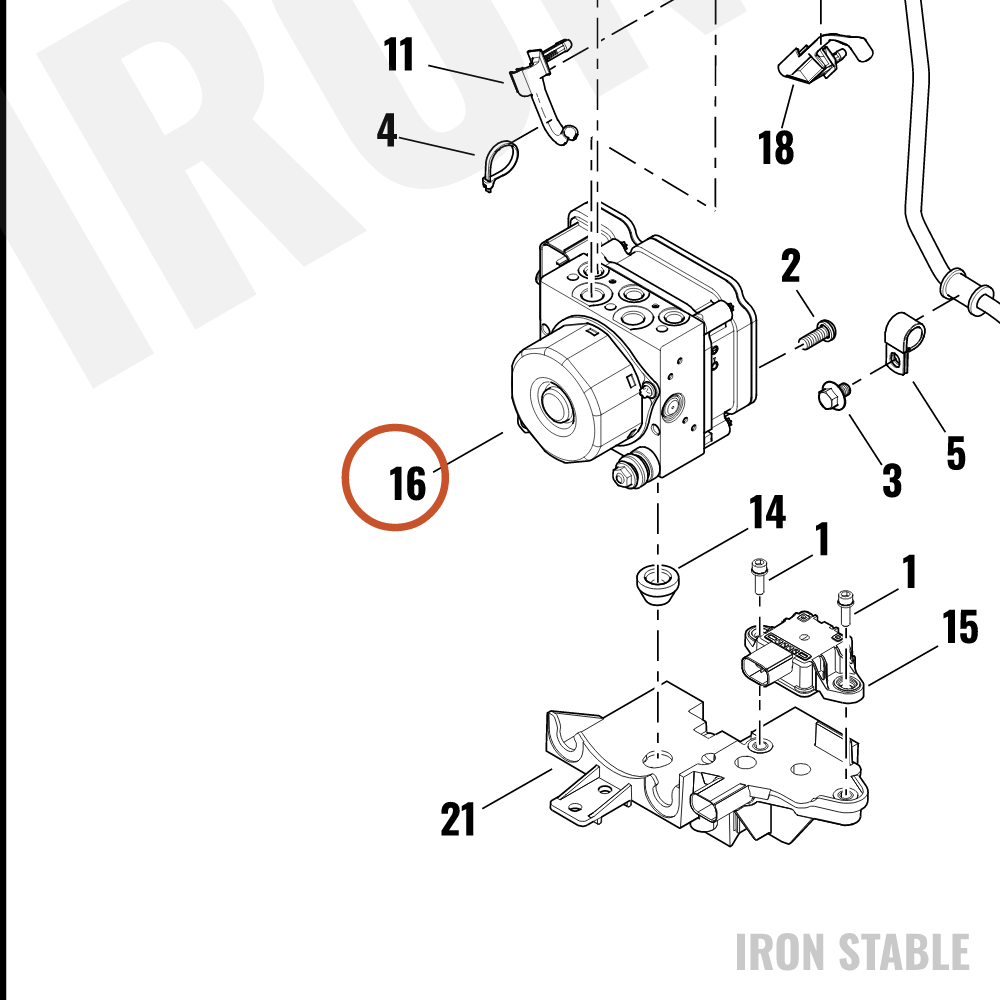
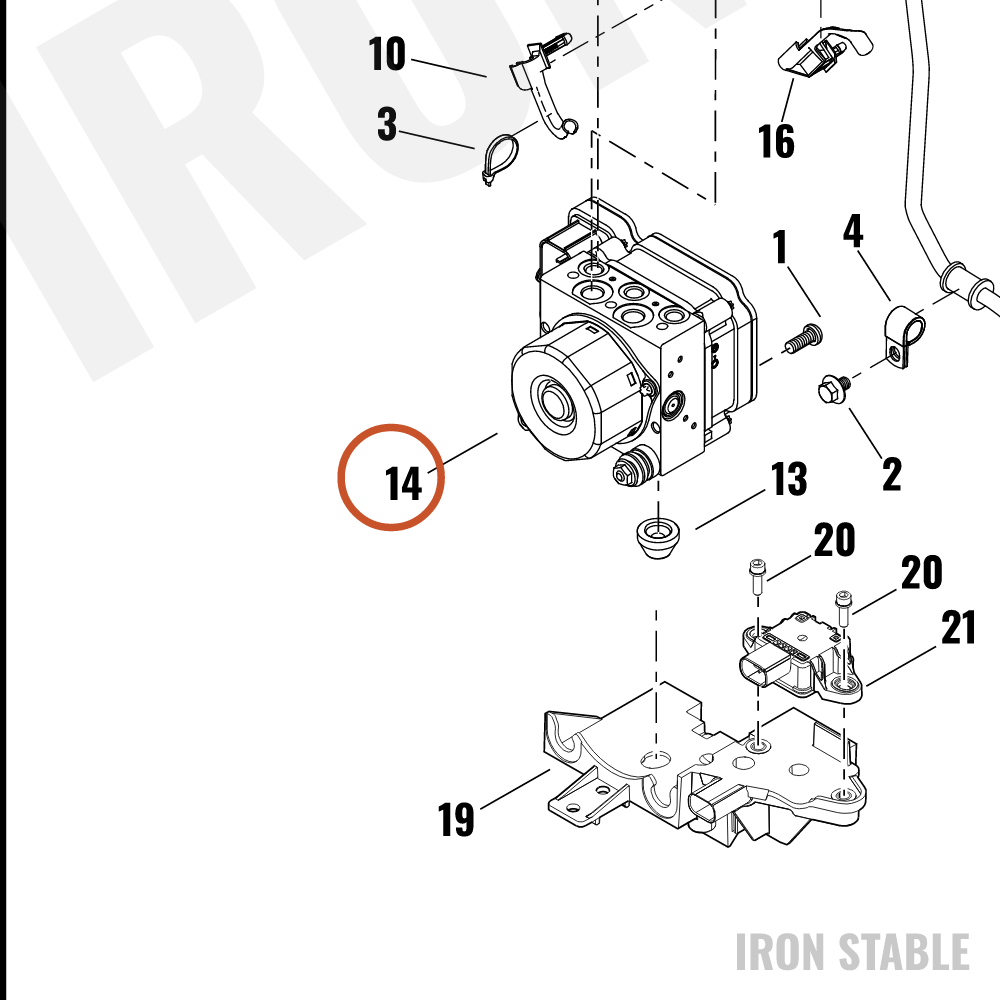
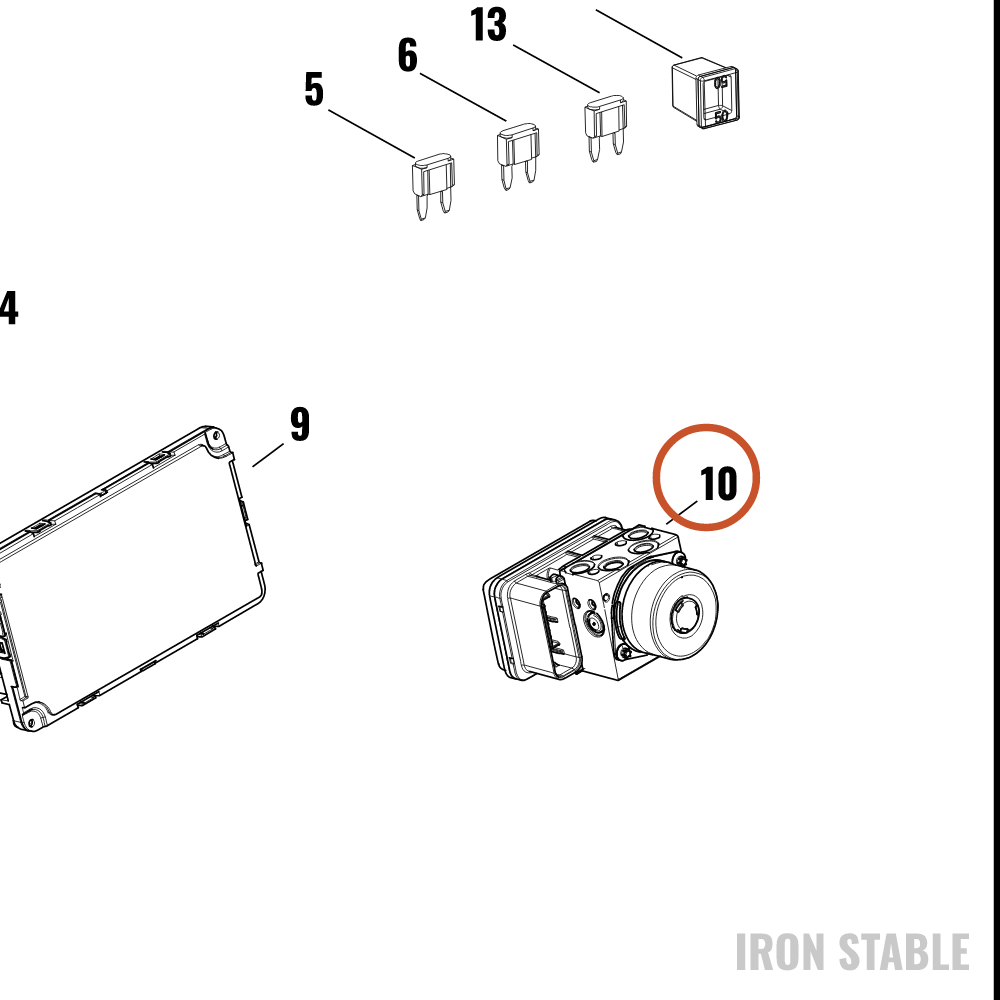
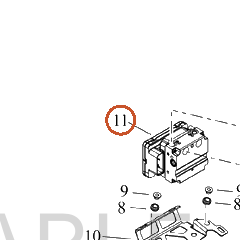
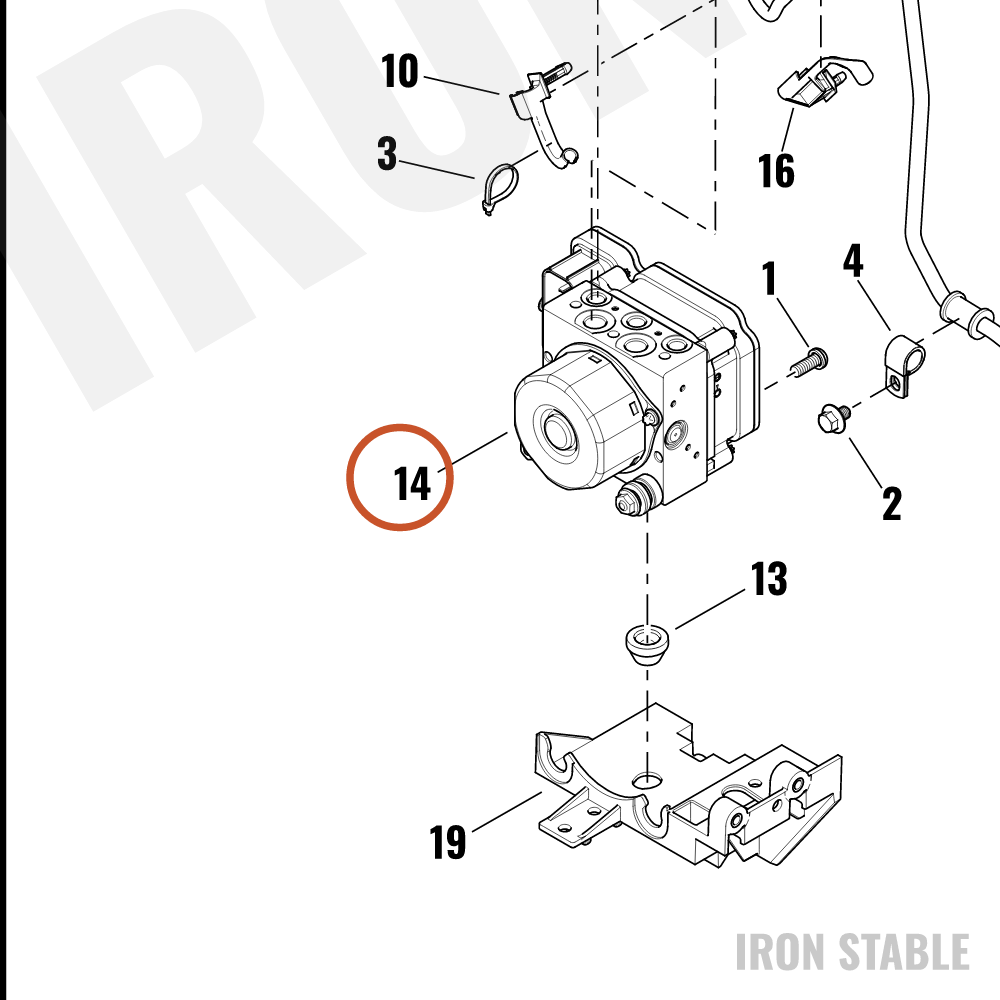
Glycol brake fluid (DOT 4) absorbs water from the day it goes in, and Harley's service schedule calls for a full flush every two years. That interval has teeth: on 2008–2011 Touring models with ABS, neglected fluid corroded valves inside the ABS unit badly enough that it became a formal recall in 2018 — bikes that had their fluid changed on time were fine. If your ABS-era bike's fluid history is unknown, the flush is the cheapest insurance on this page.
Older bikes carry a trap: through the Evo and early Twin Cam years Harley filled with silicone DOT 5, and only moved the range to DOT 4 during the mid-2000s. The two must never be mixed — the result is sludge and swollen seals, and the only way back is a strip-down with new seals throughout. The master-cylinder lid tells you which fluid your bike takes; believe the lid, not the forum.
A vague lever on an older bike is usually the rubber hoses flexing before the pads move — braided stainless line kits (Goodridge is the name that keeps coming up, and the biggest line stock here) firm it up more per pound than any caliper upgrade. A lever that pulses at speed reads as "warped disc", but experienced spanners point out many of those are uneven pad-material deposits from sitting on the brake at a standstill — worth deglazing and re-bedding before paying for a new rotor.
And the quiet safety item: a dragging brake — disc hot after a gentle ride, lever pumping up stiff — is corroded caliper pistons or a hose collapsing internally, not "just how old bikes feel". Caliper seal kits are cheap; a seized piston on the motorway is not.
| What you notice | What it usually is | What fixes it |
|---|---|---|
| Lever slowly comes back to the grip, feels spongy | Air in the system or old, water-laden fluid | Full flush and bleed — fluid and bleeder screws before anything dearer |
| Disc hot after gentle riding, wheel drags | Corroded caliper pistons, dry pad pins, or a hose collapsing internally | Caliper clean/rebuild kit; replace suspect hoses with braided lines |
| Pulse through the lever when braking from speed | Pad material deposits on the disc — or genuine runout | Deglaze and re-bed first; then disc + pads together |
| Loud squeal at every stop on a 2018+ Softail | Original pad compound — a known complaint on the M8 Softail line | Pad swap to an organic/kevlar compound, chamfered edges on install |
| Brake light stuck on, flickering, or dead (Touring) | Hydraulic pressure switch cooked by exhaust heat — a known weak point | Replacement switch — cheap and quick |
| Grinding on braking | Pads worn to metal — friction material is done below ~1 mm | Pads immediately; inspect the disc, it is often part of the bill |
Free UK Delivery
On orders over £100
14-Day Returns
Easy & hassle-free
Authorised Dealer
Iron City Motorcycles
Secure Payment
256-bit encryption
You appear to be browsing from the UK.
Same parts, same prices in £, on ironstable.co.uk.
It looks like you're in Europe
Would you like to view prices in €?